
 EN
EN
 ar
ar bg
bg hr
hr cs
cs da
da nl
nl fi
fi fr
fr de
de el
el hi
hi it
it ko
ko no
no pl
pl pt
pt ro
ro ru
ru es
es sv
sv tl
tl iw
iw id
id lv
lv lt
lt sr
sr sk
sk sl
sl uk
uk vi
vi et
et hu
hu th
th tr
tr fa
fa ms
ms hy
hy ka
ka ur
ur bn
bn mn
mn ta
ta kk
kk uz
uz ku
ku
Automated Equipment Test Cable
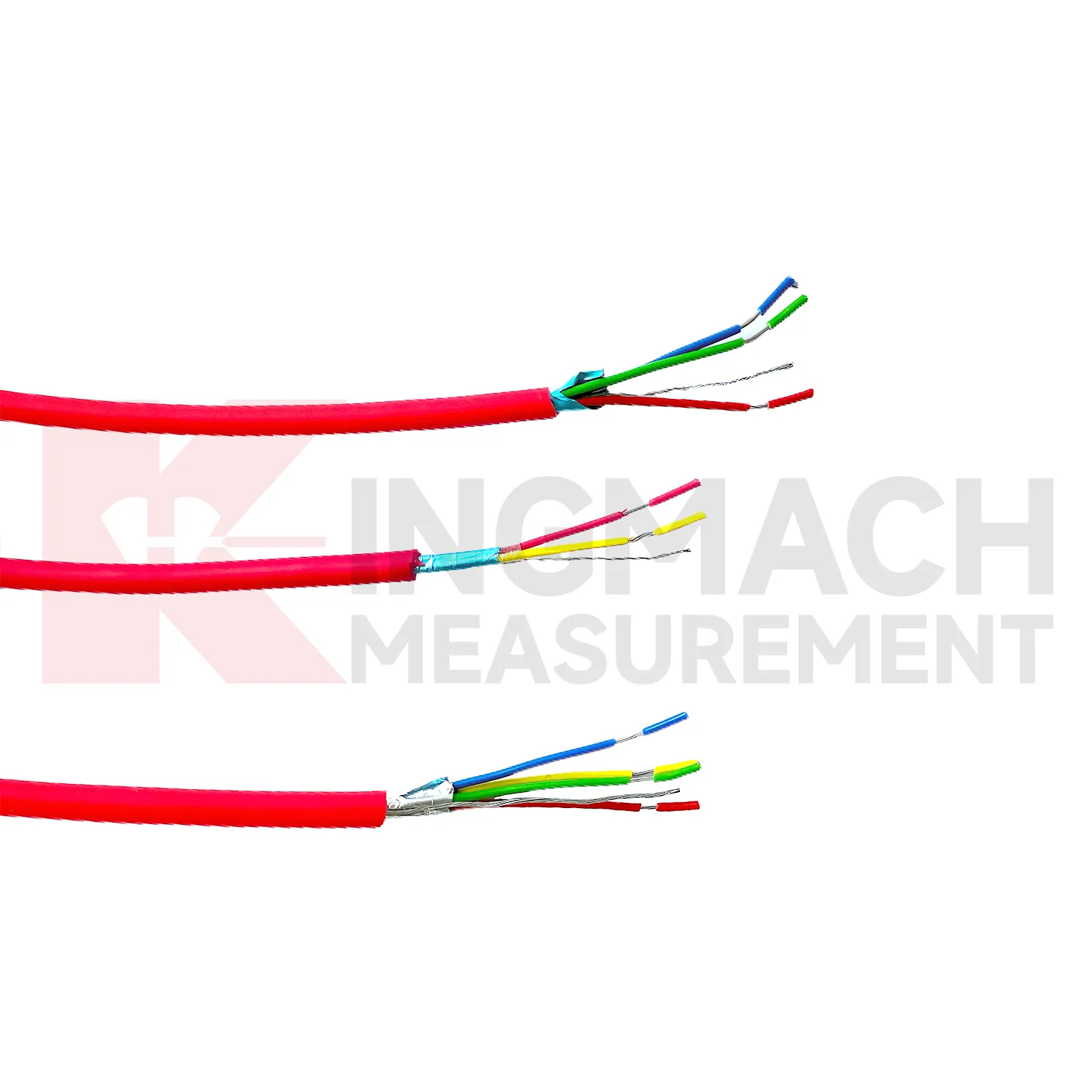
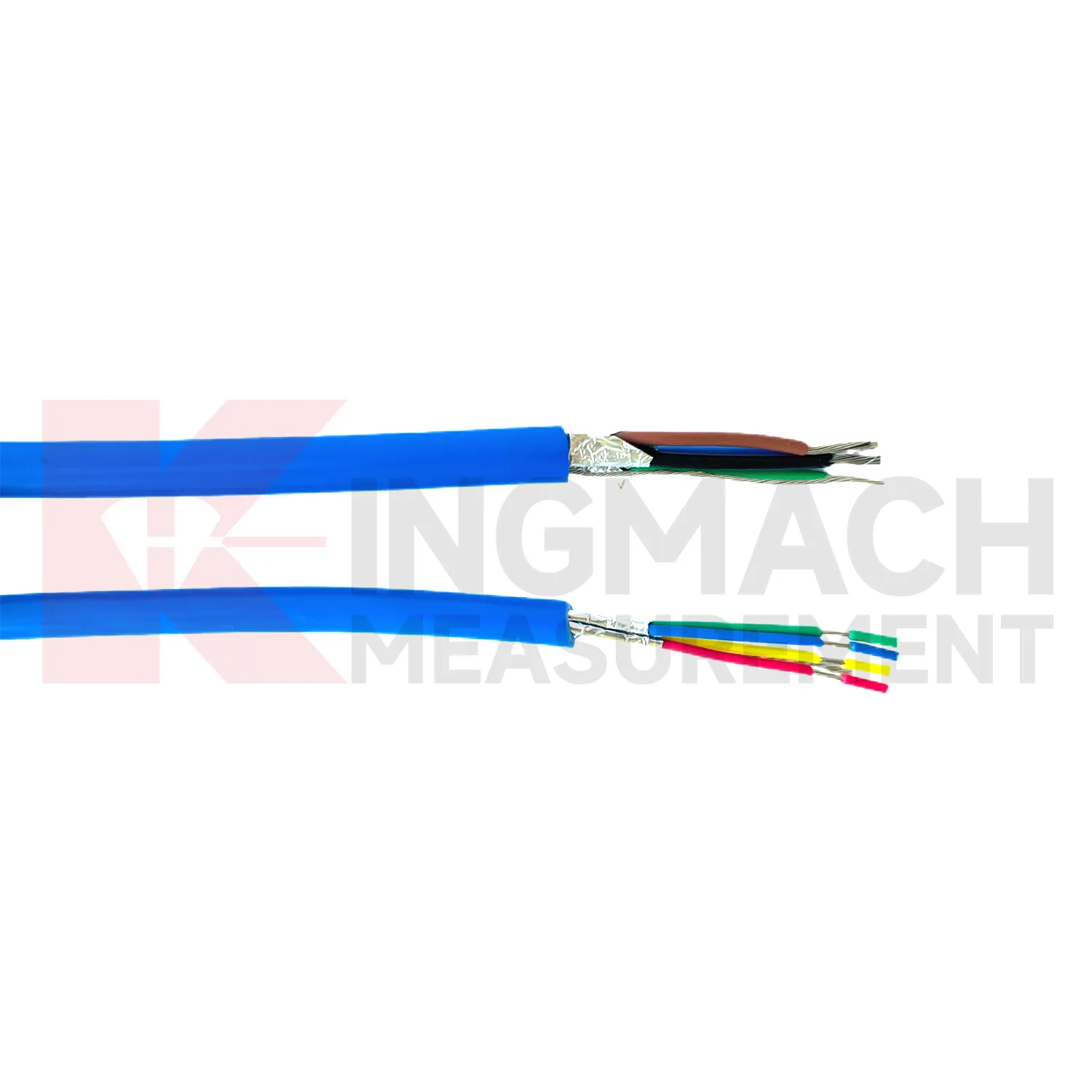
The JMZX-XSX hydraulic cable is intended for wet engineering environments where cable sealing and mechanical strength are part of data reliability. Its multi-layer sealing and water-resistant insulation help the cable transmit power or signal lines in underwater, humid, or splash-prone locations. The product also offers stronger waterproof and tensile properties than standard test wiring, making it suitable for hydraulic structures, galleries, water-level monitoring areas, and other damp routes. Core options mirror the shielded test cable family, allowing the wiring plan to stay organized when several channels must pass through one cable route.
Application of Automated Equipment Test Cable
Wind tower monitoring uses Kingmach Automated Equipment Test Cable to connect strain, tilt, vibration, foundation, and environmental instruments exposed to moving structures and changing weather. Cables may run inside towers, around foundations, through junction boxes, or near power equipment. Shielding helps protect weak measurement signals near electrical systems, while wear resistance helps during repeated inspection or service work. When a tower vibration or tilt record changes, the team can inspect cable fixation, connector sealing, and cabinet entry before treating the reading as a structural issue.
The future of Automated Equipment Test Cable
Sustainability goals will influence how Kingmach Automated Equipment Test Cable are selected and maintained. Replacing failed cable routes wastes labor, materials, and site access time, especially on large infrastructure. Durable cable selection and careful routing can reduce unnecessary replacement, avoid repeated cabinet work, and help monitoring systems remain useful for longer. Better service life also protects the sensors and recorders connected to the cable path because fewer faults travel into the wider network.
Care & Maintenance of Automated Equipment Test Cable
Labeling is a maintenance task for Kingmach Automated Equipment Test Cable, not just a neatness habit. Each cable should show instrument point, cable model, core assignment, cabinet location, and recorder channel. The same information should appear in the handover file. When a channel later reports noise, flatline data, or sudden jumps, technicians can inspect the correct route without disturbing neighboring sensors. Clear labels are especially important on multi-core cable, where a single sheath may carry several conductors that must remain traceable.
Kingmach Automated Equipment Test Cable
Kingmach Automated Equipment Test Cable also matter during upgrades. Many projects begin with a small number of sensors, then expand when the owner adds new monitoring points or data review requirements. Cable compatibility and route documentation make that expansion easier. If the original cable records show model, core use, spare cores, delivery length, cabinet entry, and channel names, the next team can add or replace instruments with less disruption. Instrumentation cables are therefore part of the life-cycle plan for measurement systems, not only an accessory at installation. Proper cable selection can extend equipment service life and reduce operational failure rates across the whole network.
FAQ
Q: How do these cables affect online monitoring?
A: Cleaner cable input helps acquisition modules send steadier data to platforms, alarms, and trend reports.
Q: What should be recorded at handover?
A: Record model, core count, used conductors, spare conductors, route drawing, terminal numbers, and commissioning values.
Q: How should repair work be logged?
A: Write down the fault, removed section condition, new cable details, connector work, and the first stable reading afterward.
Q: Why do spare cores need records?
A: Unrecorded spare cores can confuse later expansion work or lead technicians to disturb an active channel.
Q: Can cable planning reduce site visits?
A: Yes. Clear routing, sealing, labels, and model selection help technicians locate faults without repeated trial checks.
Reviews
David Wilson
We purchased displacement transducers and settlement sensors, and the quality exceeded our expectations. Easy installation and reliable performance.
Joshua Clark
We ordered a full monitoring solution including sensors and data loggers. Everything works seamlessly together. Great supplier!
Latest Inquiries
To protect the privacy of our buyers, only public service email domains like Gmail, Yahoo, and MSN will be displayed. Additionally, only a limited portion of the inquiry content will be shown.
Charlotte***@gmail.comUnited Arab Emirates
Hi, we require instrumentation cables suitable for harsh environments. Could you advise on specifica...
Olivia***@gmail.comUnited States
Hello, we are currently sourcing high-precision strain gauges and load cells for a bridge monitoring...
Related product categories
- Singlelayer Shielded Test Cable
- Multicore Shielded Test Cable
- 2core / 4core / 6core / 8core Hydrological Cable
- Corrosionresistant Hydrological Cable
- Shielded Hydrological Cable
- Multicore Hydrological Cable
- Data Transmission Cable
- Automated Equipment Test Cable
- Sensor Shielded Test Cable
- Motor Shielded Test Cable
- Signal Cables
- Test dedicated shielded wire