
 EN
 ar
 bg
 hr
 cs
 da
 nl
 fi
 fr
 de
 el
 hi
 it
 ko
 no
 pl
 pt
 ro
 ru
 es
 sv
 tl
 iw
 id
 lv
 lt
 sr
 sk
 sl
 uk
 vi
 et
 hu
 th
 tr
 fa
 ms
 hy
 ka
 ur
 bn
 mn
 ta
 kk
 uz
 ku

inclinometer casing
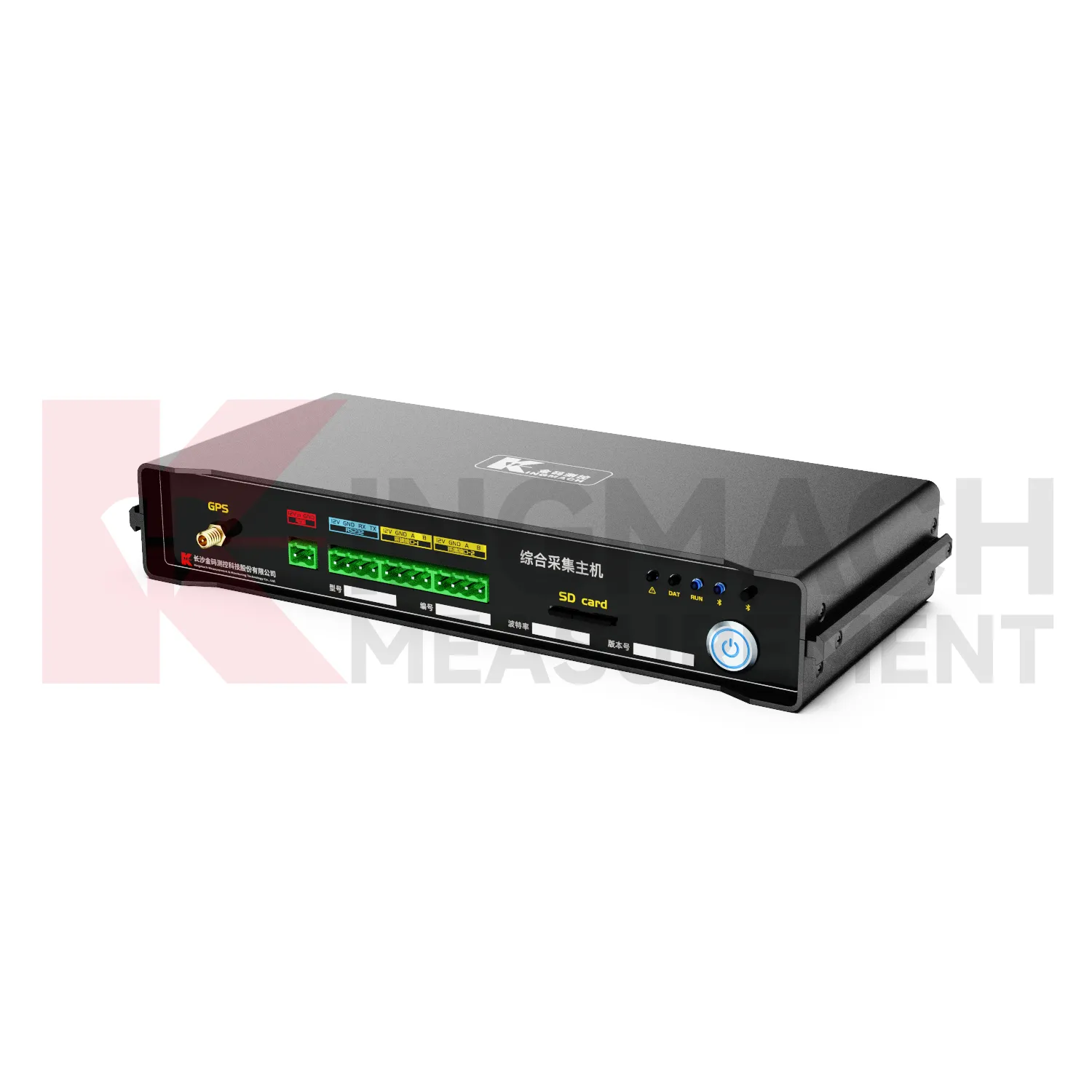
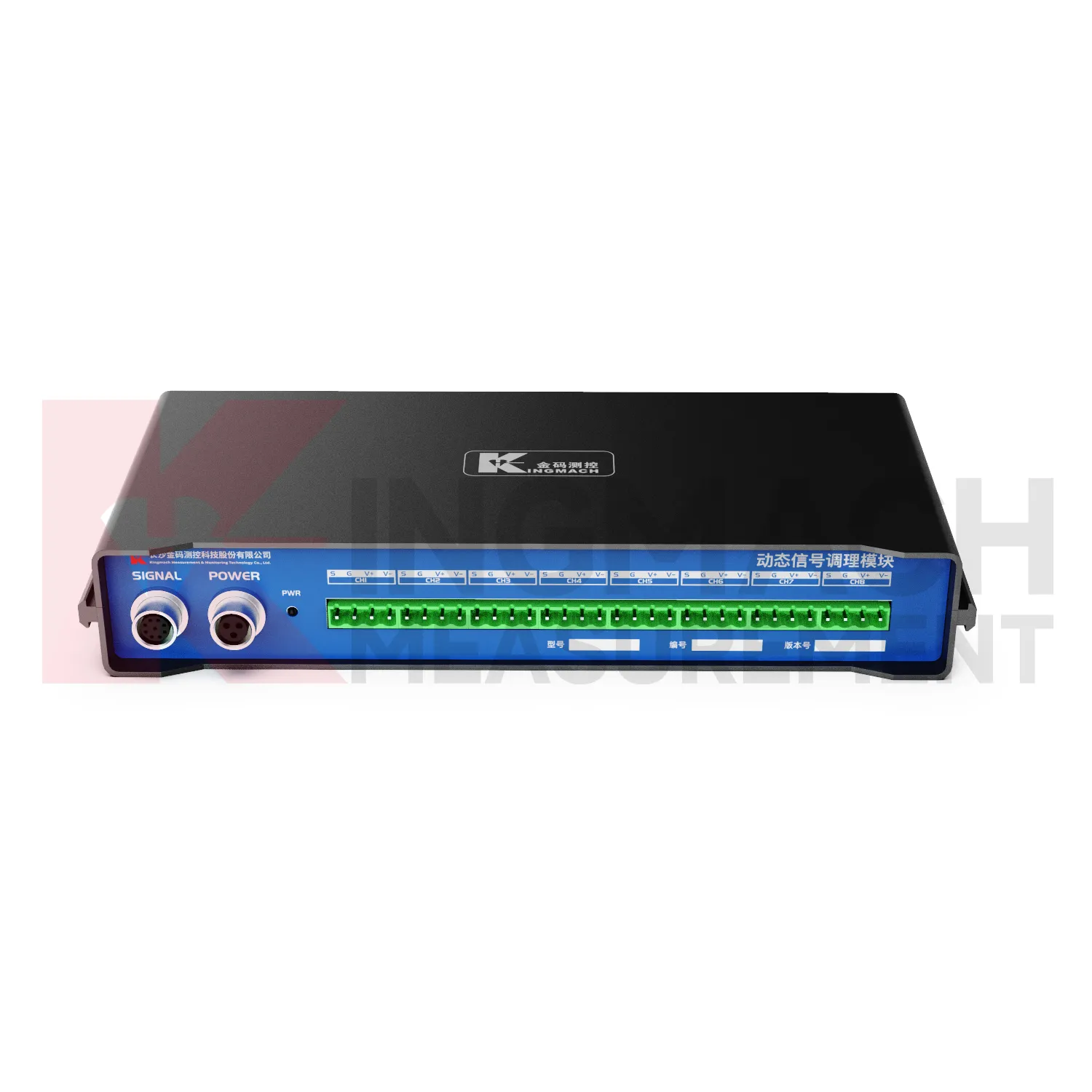
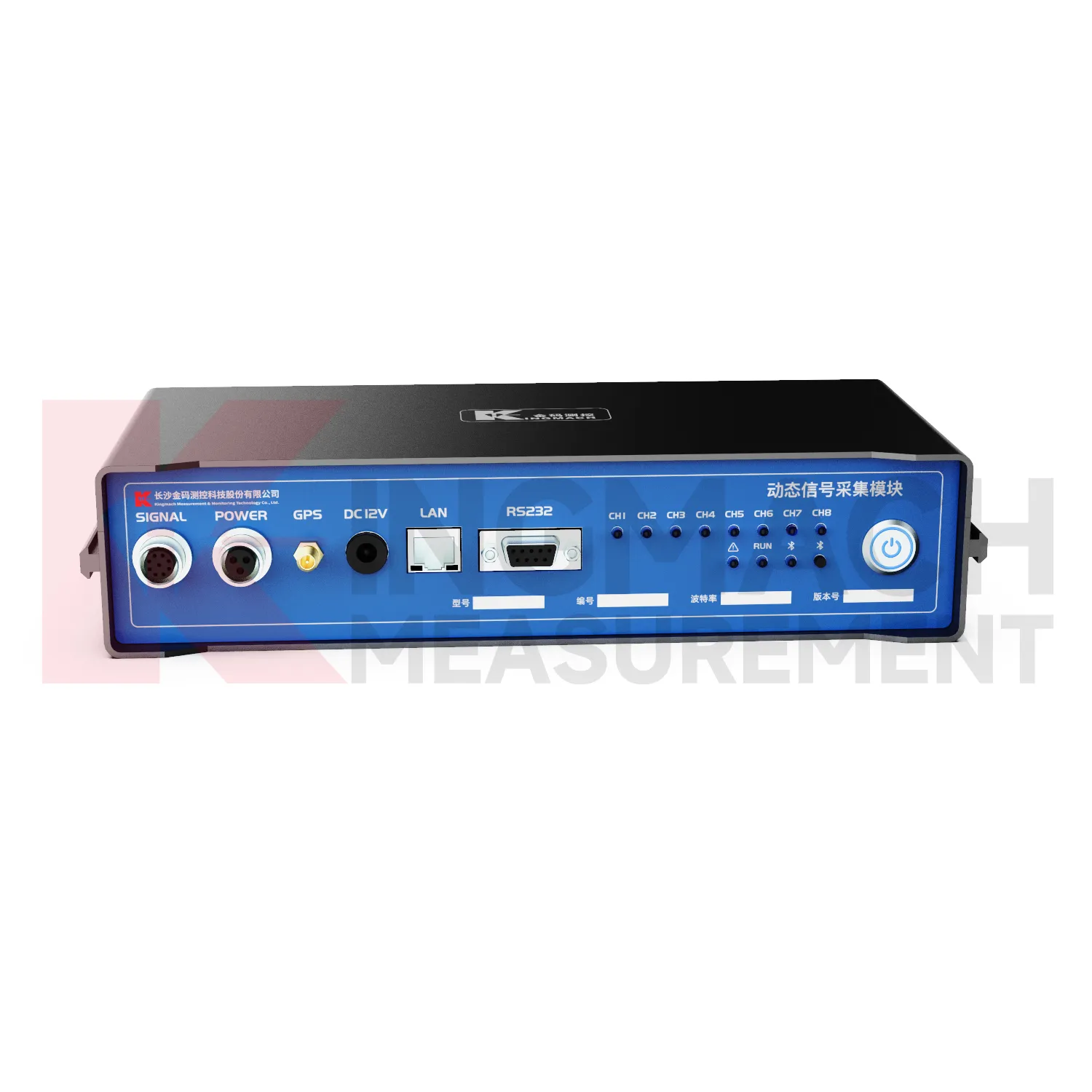
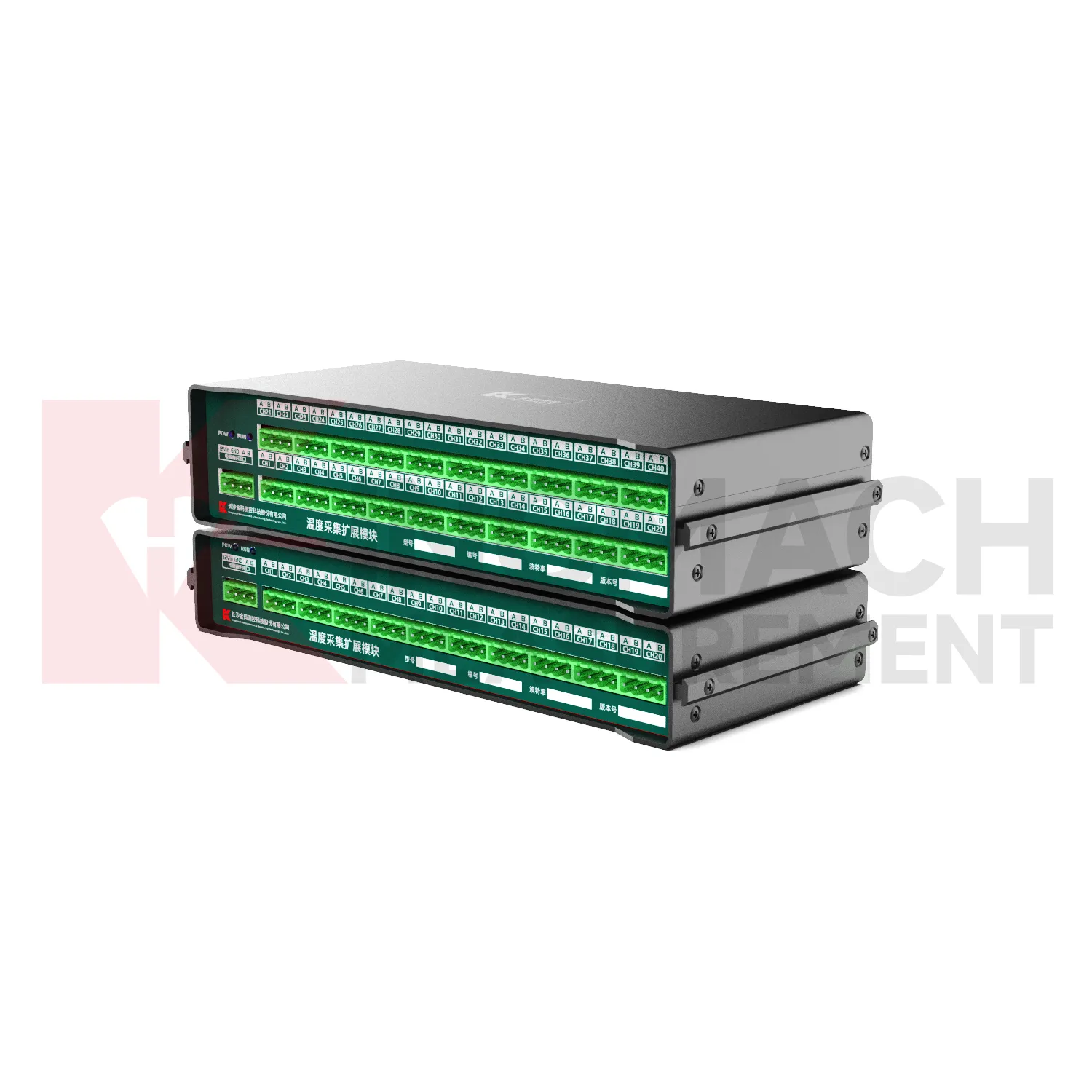
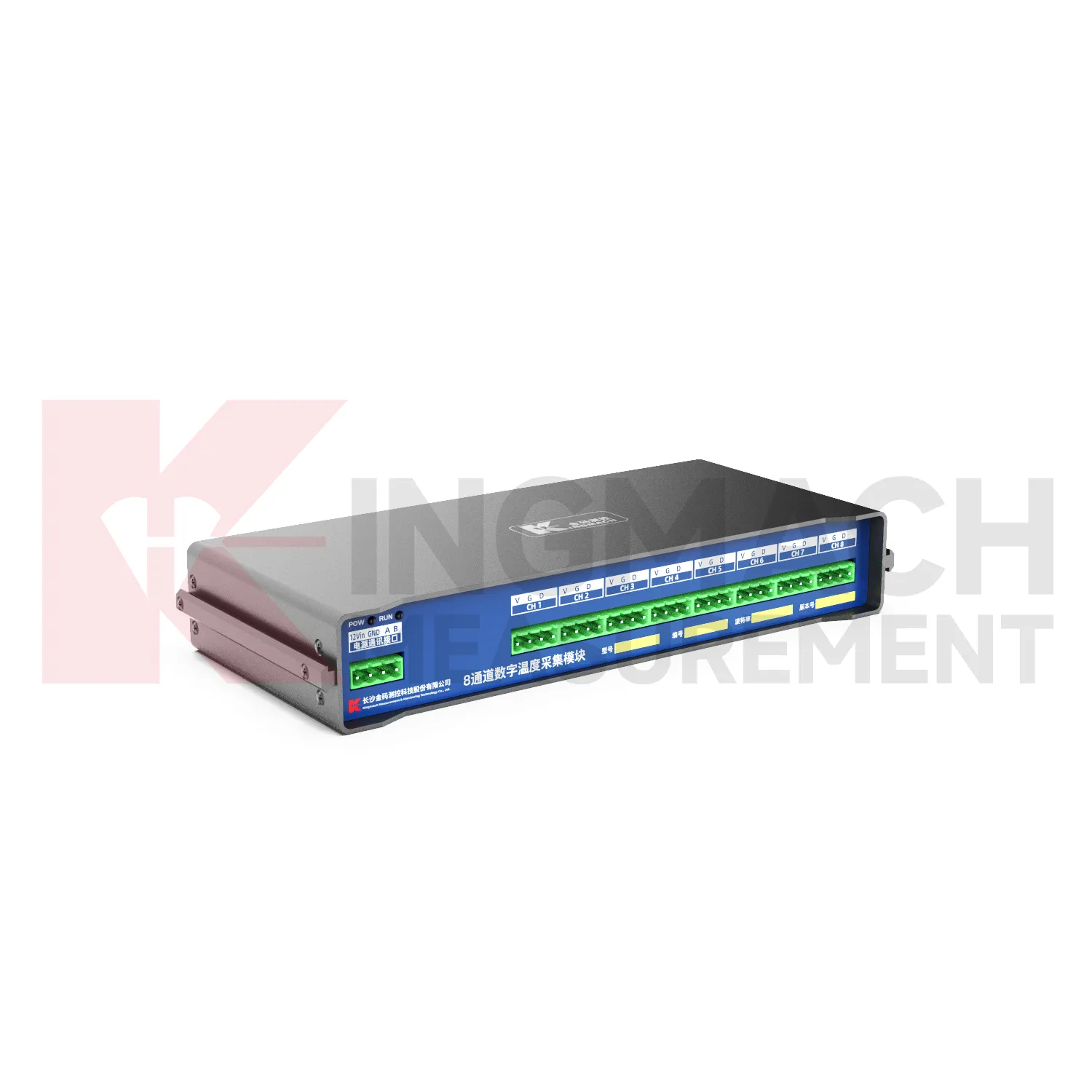
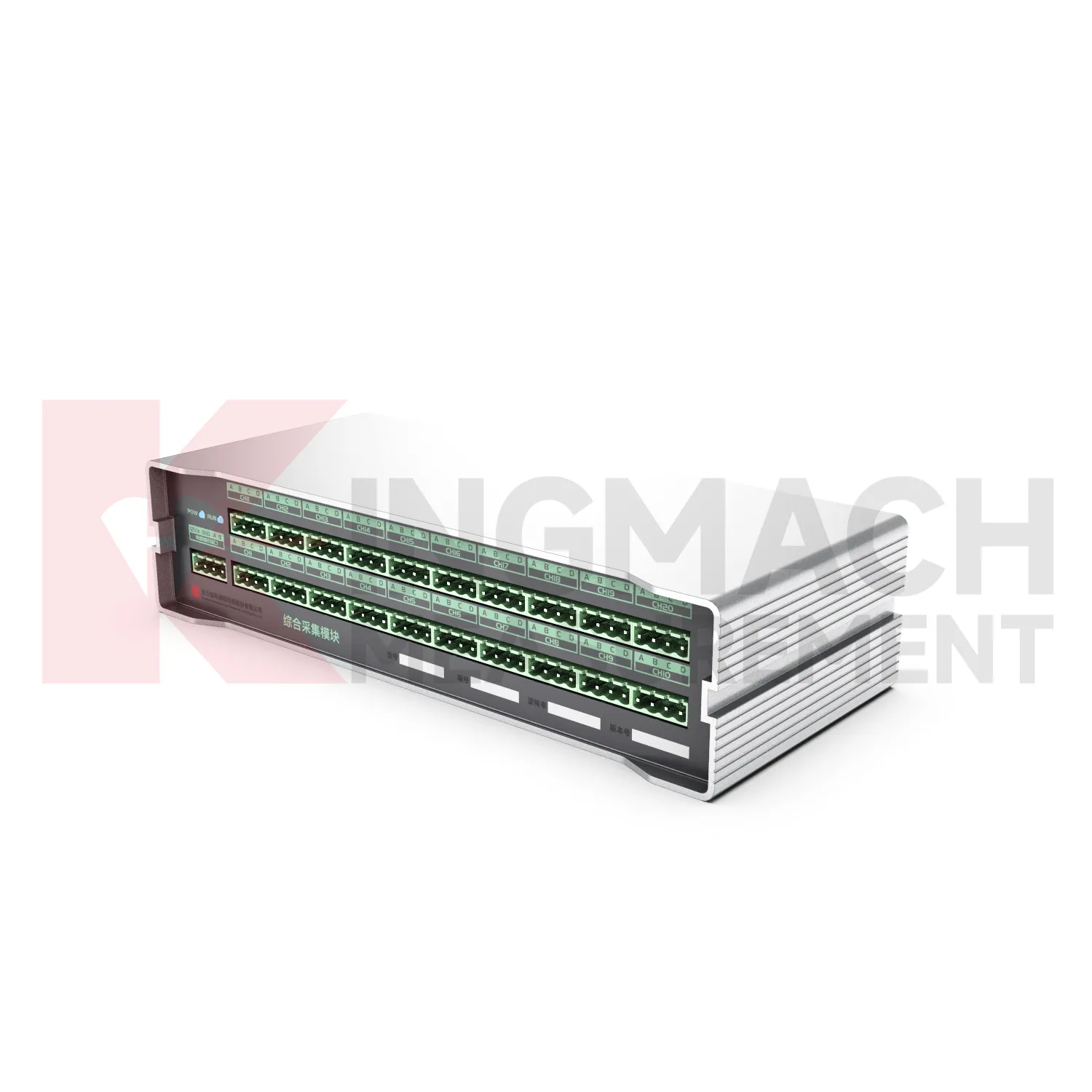
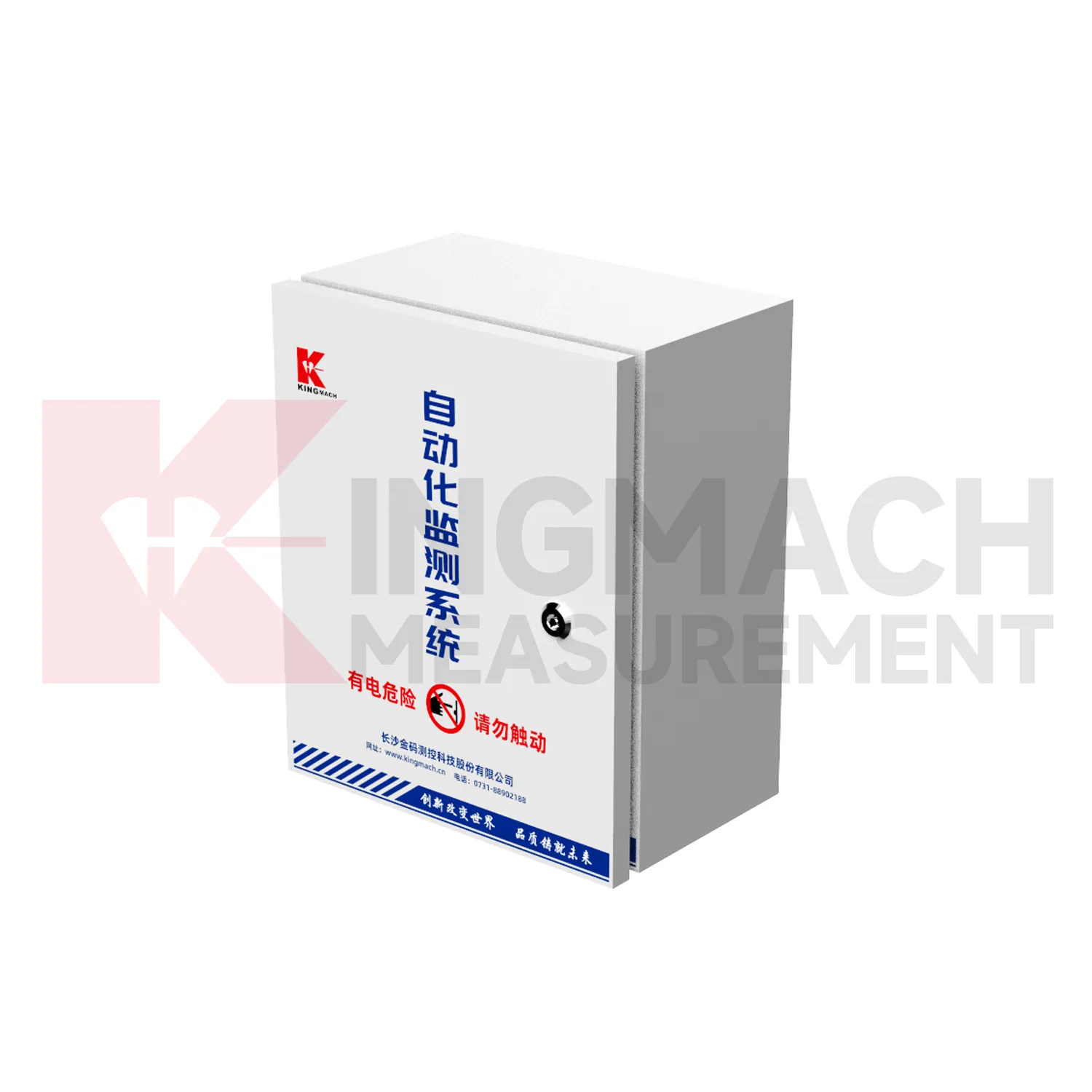
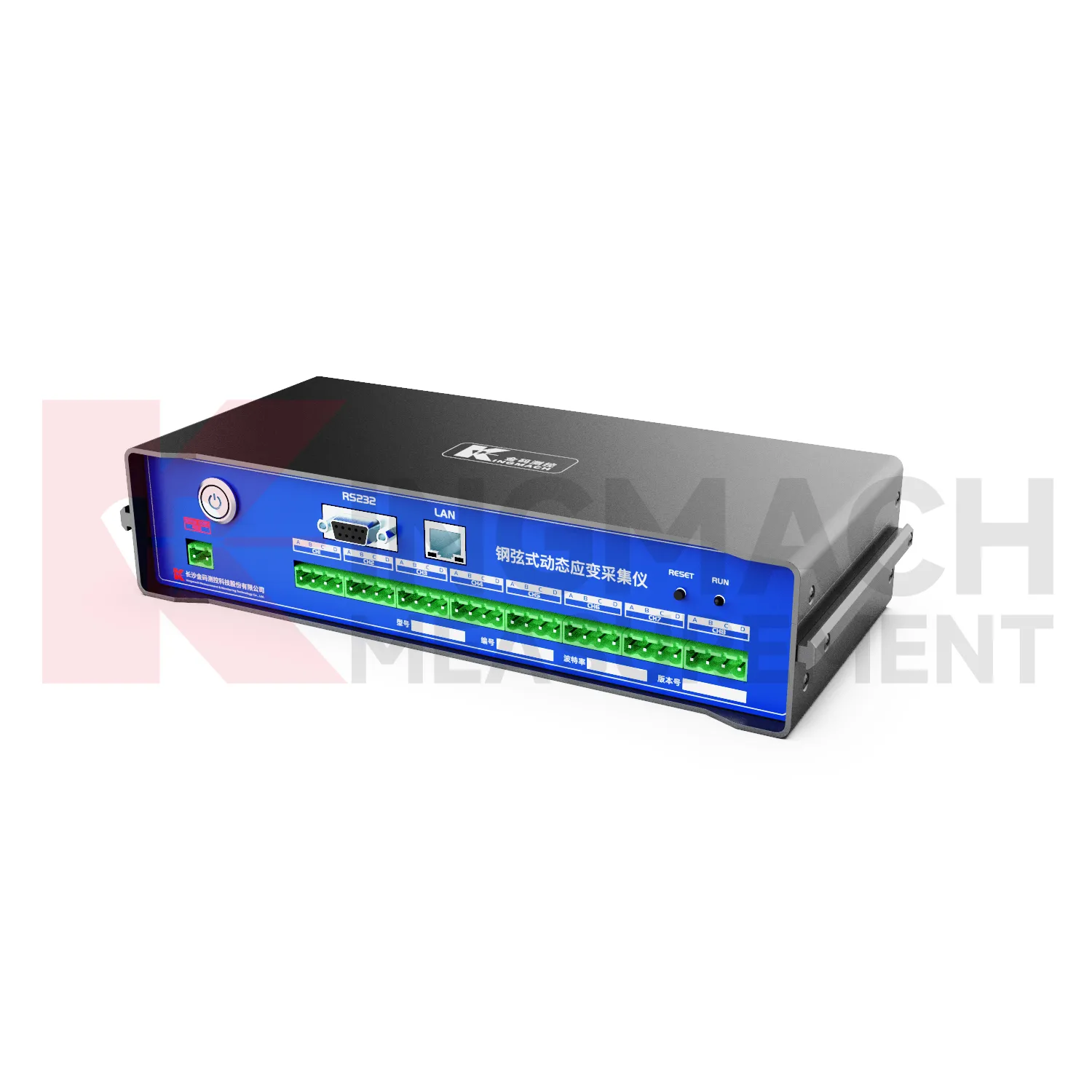
Kingmach inclinometer casing are designed for the practical data chain that starts at the sensor and ends with engineering review. The category covers handheld verification, automatic logging, field display, wireless transmission, local storage, and data export. A comprehensive readout is useful for commissioning because it can confirm sensor identity, physical values, and temperature-related information on site. A dynamic strain data logger is useful when vibrating wire sensor signals need synchronized acquisition for construction or structural monitoring. A low-power wireless logger is useful when a remote point must collect data over long periods with limited access. These devices are most effective when channel labels, point locations, communication settings, and maintenance records are planned before installation. The project file should define how each reading moves from the field device to the reviewed record. That includes who names channels, who checks first values, where exported files are stored, and how abnormal readings are confirmed. When these steps are clear, the acquisition device becomes part of a controlled monitoring process rather than a separate instrument. This helps engineering teams trace values back to the correct sensor, location, time period, and field condition during later review. It also supports cleaner handover when the project changes from construction monitoring to owner operation.
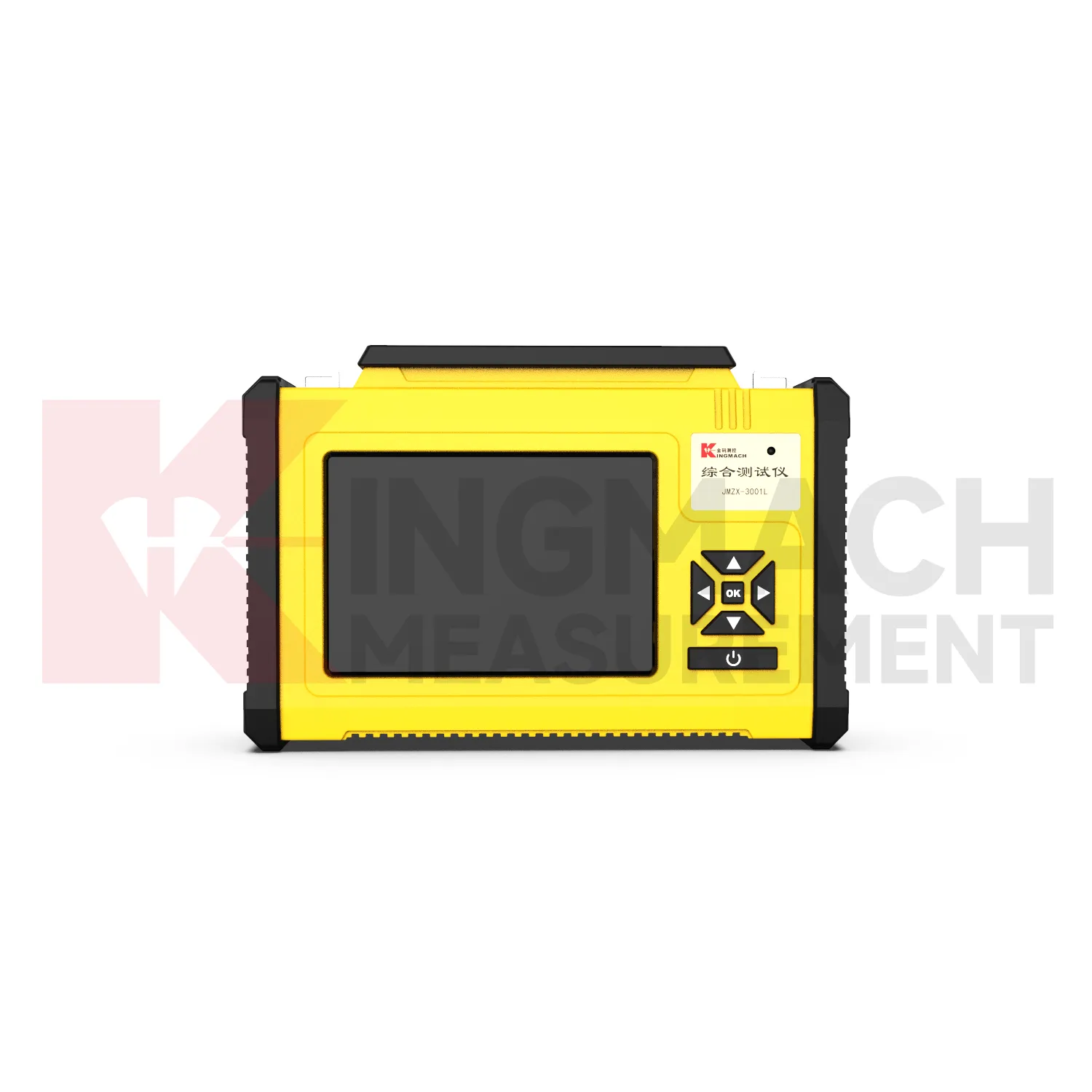
Application of inclinometer casing
Tunnel and underground projects use Kingmach inclinometer casing when sensor access is limited and monitoring records must remain dependable. Settlement points, convergence instruments, strain gauges, load cells, seepage sensors, environmental points, and vibration sensors may all require different acquisition behavior. A portable readout helps crews verify sensors during installation or inspection rounds. A logger supports unattended acquisition when access is restricted by work stages, safety rules, or operating hours. Dynamic acquisition can capture blasting, train passage, machinery activity, or short vibration events. The record should connect data with tunnel section, chainage, support type, work activity, and inspection notes so engineers can understand whether a reading reflects normal construction response or a condition that needs field confirmation. Underground monitoring also needs careful access planning. A station may sit behind temporary support, inside a gallery, near drainage, or beside active work areas. The acquisition device should keep records clear even when crews rotate or work shifts change. Section names, installation photos, sensor groups, and event notes help the engineering team compare readings with excavation progress, lining work, seepage condition, and vibration events. This is useful when tunnel monitoring continues across excavation, support installation, waterproofing, track work, and later operation. over time safely. consistently.
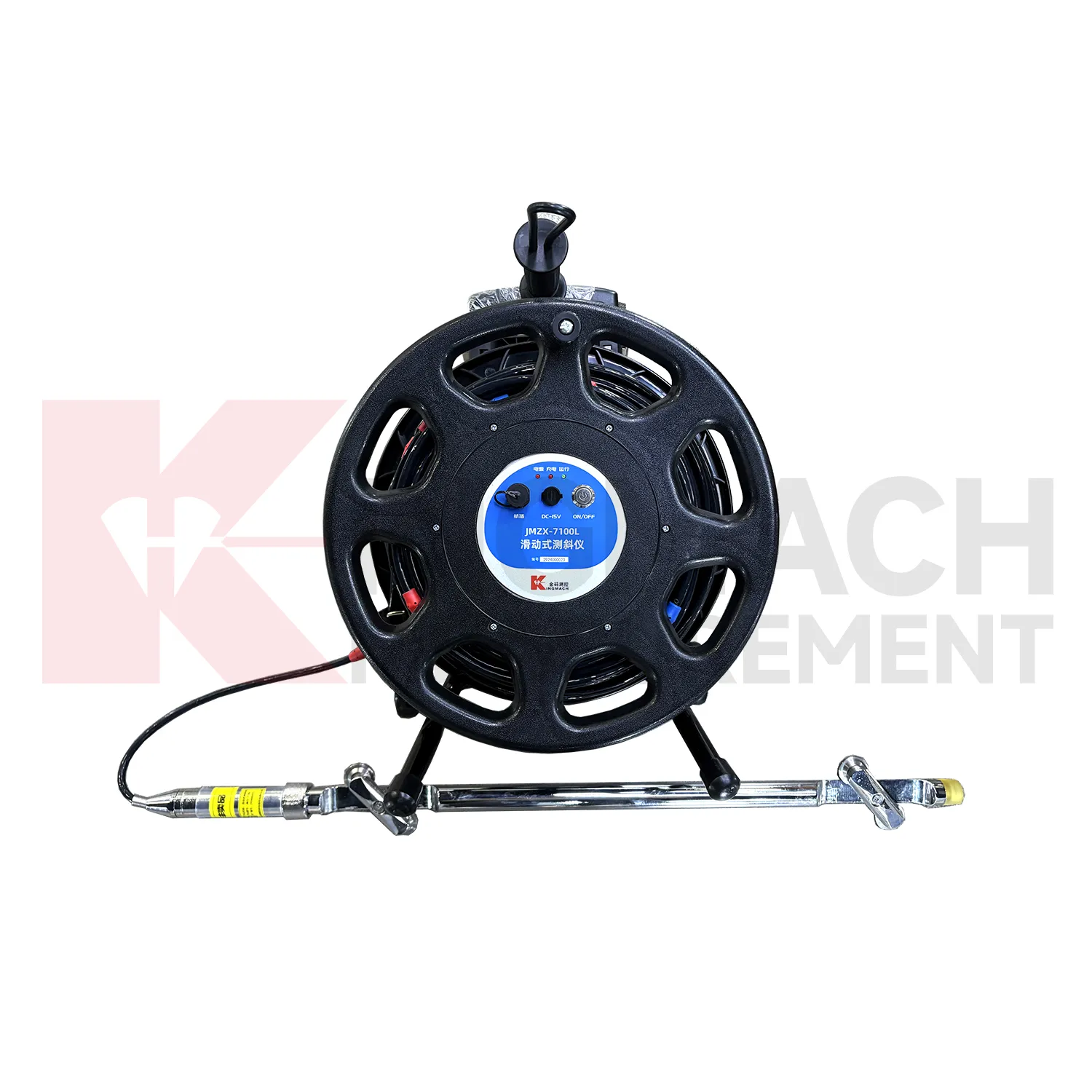
The future of inclinometer casing
Future Kingmach inclinometer casing will make remote monitoring more practical for unattended structural and geotechnical stations. Low-power acquisition, scheduled measurement, wireless upload, and remote maintenance can reduce repeated site visits. The value is not only convenience; it is continuity during weather events, night work, and restricted access periods. A remote station should show whether it is collecting, uploading, storing, and operating within expected power conditions. When this information is available, engineers can trust the data stream more confidently and plan field visits around actual station needs. Future remote stations can also make maintenance routes more efficient. If a slope logger reports weak battery but stable sensor values, the crew can prepare power service. If a bridge station uploads late after rain, the team can check enclosure and signal condition first. This kind of device context helps field work become more targeted. while protecting data continuity. across remote sites. over time. safely.
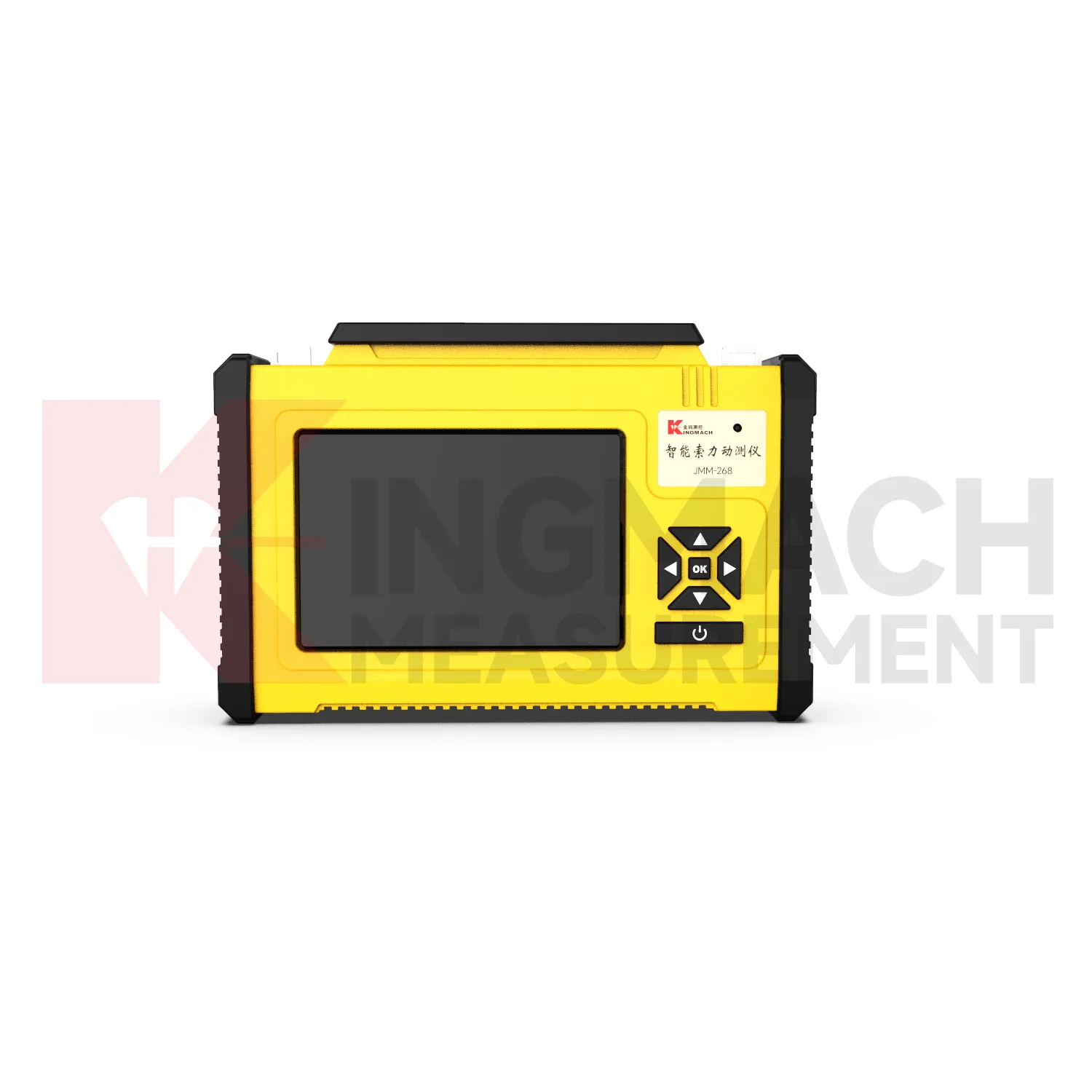
Care & Maintenance of inclinometer casing
Connector and cable maintenance protects Kingmach inclinometer casing from field faults. Acquisition equipment may be used in wet galleries, slopes, tunnels, bridge decks, or construction areas where cables can be pulled, crushed, corroded, or mislabeled. Inspect connectors, glands, terminals, grounding, cable strain relief, and enclosure seals. A small connection problem can look like a sensor fault or a sudden structural change. After cleaning, rewiring, or replacing a cable, save a note with the channel name and first normal reading. This keeps troubleshooting history visible. Cable routes should also be checked after excavation, concrete work, traffic control, or equipment movement. If a connector is wet or a cable label is missing, the affected channel should be marked before the data is used in a report. Clear cable notes help the next technician find the same point quickly and reduce repeated diagnosis on future visits. This is especially useful when several sensor types share one acquisition box or cabinet.
Kingmach inclinometer casing
A strong monitoring system needs Kingmach inclinometer casing that fit the sensor network and the site conditions. Some projects need a compact handheld unit for spot checks and commissioning. Others need a multi-channel data logger for vibrating wire sensors, dynamic strain, environmental points, or digital RS485 instruments. Remote sites may need low-power wireless acquisition with scheduled measurement and active upload. The important question is how the device helps the team keep a continuous, explainable record. Battery condition, enclosure protection, communication path, channel labels, and data export all influence whether the monitoring record can support maintenance, safety review, or construction control. For remote stations, the acquisition interval, upload status, battery condition, enclosure condition, and last maintenance visit should remain visible so unattended monitoring does not become a blind record. For dynamic tests, timing accuracy, event naming, channel synchronization, and signal conditioning help the team compare motion or strain events with construction activity, traffic, wind, or machinery operation.
FAQ
Q: What are Readouts & Data Loggers used for?
A: They collect, display, store, and transfer sensor readings so engineering teams can review monitoring data from structural, geotechnical, and industrial projects.
Q: How are readouts different from data loggers?
A: Readouts are often used for field checking and portable measurement, while data loggers support automatic acquisition, scheduled records, and longer monitoring periods.
Q: Which sensors can be connected?
A: The category can support vibrating wire sensors, digital RS485 sensors, temperature points, dynamic signals, strain instruments, displacement sensors, tilt sensors, and other monitoring devices depending on the model.
Q: Why is channel naming important?
A: Clear channel names connect each reading with the correct sensor, location, structure, and review purpose, which prevents confusion during reporting and handover.
Q: What should be checked before purchase?
A: Buyers should define sensor type, channel count, acquisition interval, power supply, communication method, storage needs, site access, and reporting workflow.
Reviews
Christopher Martinez
Very satisfied with the readouts & data loggers. User-friendly interface and supports multiple sensor inputs.
Michael Anderson
The strain gauges and load cells are extremely accurate and stable. They performed very well in our bridge monitoring project. Highly recommended!
Latest Inquiries
To protect the privacy of our buyers, only public service email domains like Gmail, Yahoo, and MSN will be displayed. Additionally, only a limited portion of the inquiry content will be shown.
Isabella***@gmail.comGermany
Hello, we are evaluating weir flow meters for a water management project. Please share accuracy deta...
Mia***@gmail.comNetherlands
Dear team, we are interested in your readouts & data loggers compatible with multiple sensors. Do yo...
Related product categories
- Structural Safety Assessment
- Monitoring System Platform & Services
- Engineering Pulse Intelligent Monitoring Cloud Platform
- Fullprocess Service
- Onestop Installation Service
- Construction Monitoring
- Safety Warning / Alert System
- Big Data Analysis
- Dynamic Signal Data Logger
- Automated Data Acquisition System
- Integrated Monitoring System Software Platform
- Modular Monitoring System Software Platform