
 EN
EN
 ar
ar bg
bg hr
hr cs
cs da
da nl
nl fi
fi fr
fr de
de el
el hi
hi it
it ko
ko no
no pl
pl pt
pt ro
ro ru
ru es
es sv
sv tl
tl iw
iw id
id lv
lv lt
lt sr
sr sk
sk sl
sl uk
uk vi
vi et
et hu
hu th
th tr
tr fa
fa ms
ms hy
hy ka
ka ur
ur bn
bn mn
mn ta
ta kk
kk uz
uz ku
ku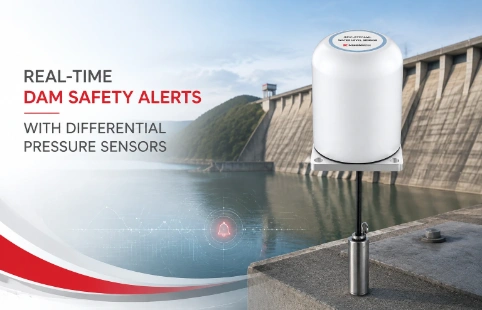
Real-Time Dam Safety Alerts with Differential Pressure Water Level Sensors
Key Takeaways An alert chain needs more than a sensor: define field in...

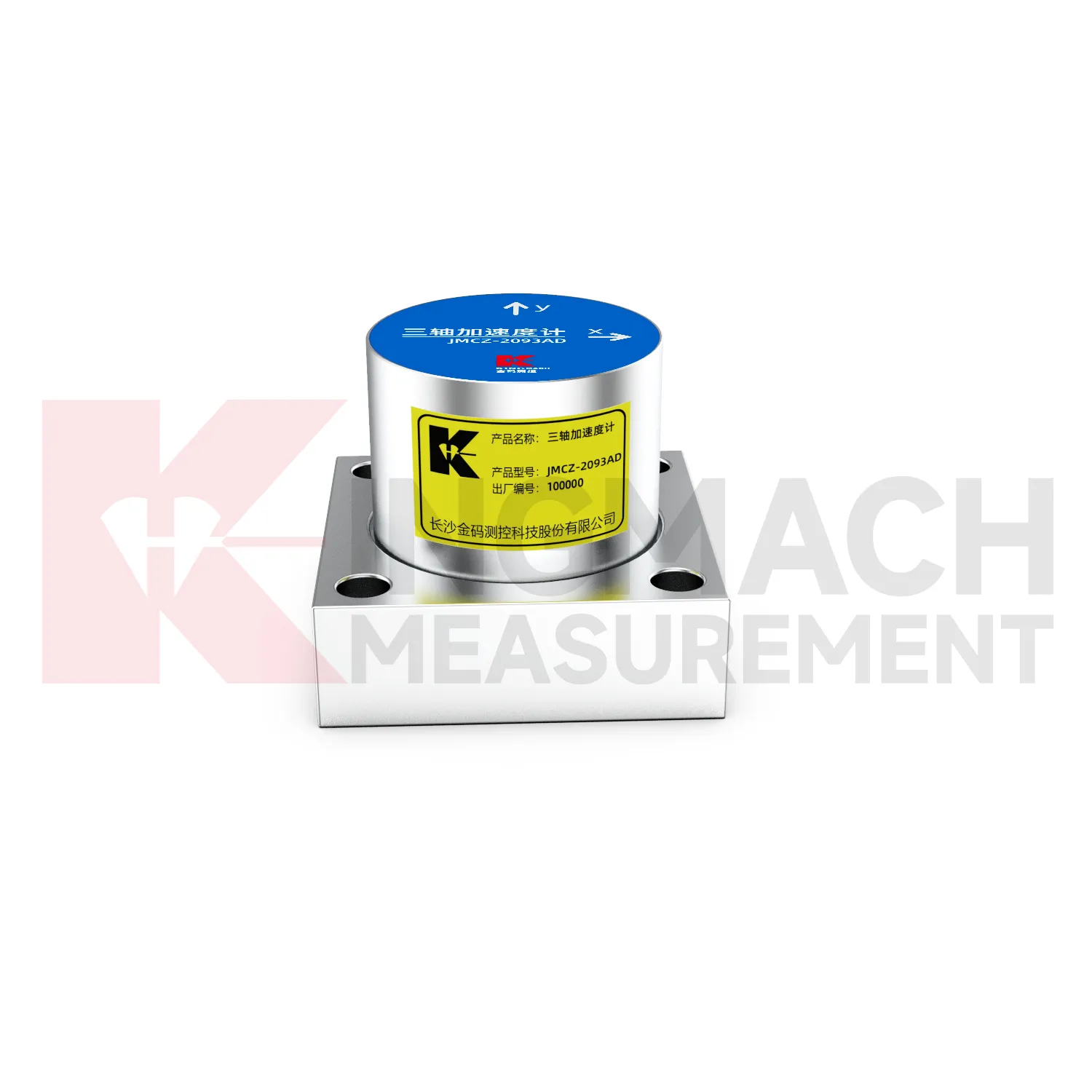
Accelerometer Sensor for Vibration Measurement
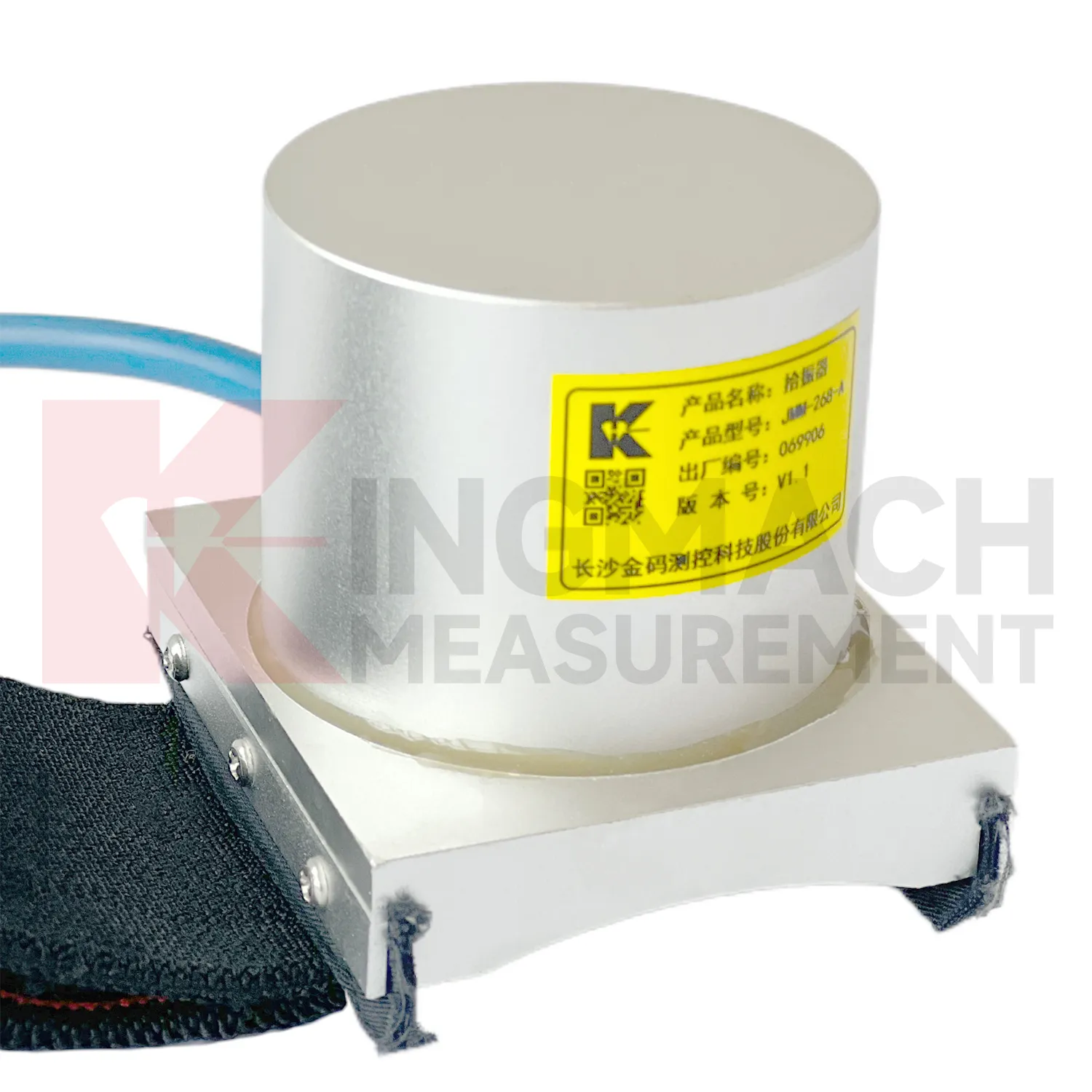
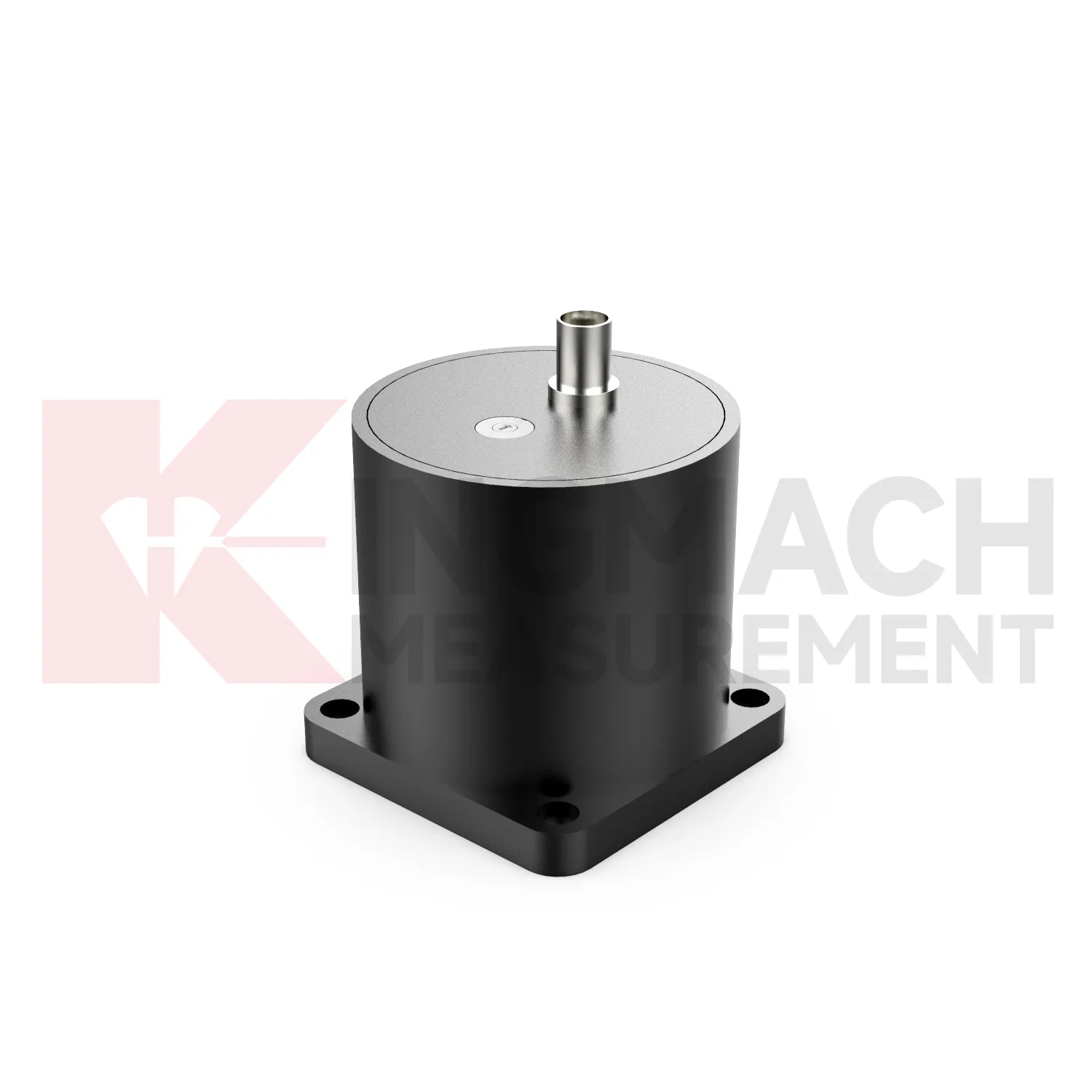
Vibration data tells engineers a lot about structural health or machine condition—if the sensor is right for the job. An accelerometer designed for vibration measurement needs to match the frequency range, amplitude, and environment of your specific application. Kingmach, a specialized manufacturer of monitoring instruments, supplies accelerometers that fit into industrial and geotechnical projects without overcomplicating the selection process. Our range covers general‑purpose IEPE types and low‑noise models for subtle structural vibrations, with output and mounting options that adapt to site conditions. We focus on delivering sensors that hold calibration and survive field abuse, backed by direct factory support for configuration and troubleshooting.
Technical Detail
Kingmach Measurement & Monitoring Technology Co., Ltd. develops accelerometer sensors for vibration measurement that bridge the gap between off‑the‑shelf convenience and project‑specific demands. As a professional manufacturer of geotechnical instruments, we understand that vibration monitoring often sits at the intersection of structural safety, machinery diagnostics, and environmental assessment. That is why our accelerometers are built with attention to sensitivity stability and spectral flatness across the typical 0.1 Hz to 10 kHz band—covering everything from low‑frequency bridge sway to gearmesh harmonics. Design choices like hermetically sealed housings, isolated mounting bases, and interchangeable cable assemblies come from field feedback, not just datasheet goals. Customization is a standard part of our workflow: you can request non‑standard ranges, special connector pinouts, or extended temperature compensation that matches your operational window. Our global distribution network and in‑house technical team ensure that calibration certificates, installation advice, and replacement units reach you without long lead‑time surprises. For engineers specifying accelerometers for vibration measurement, Kingmach offers a practical, mid‑range alternative that does not compromise on essential performance or support.
News
Key Takeaways An alert chain needs more than a sensor: define field in...
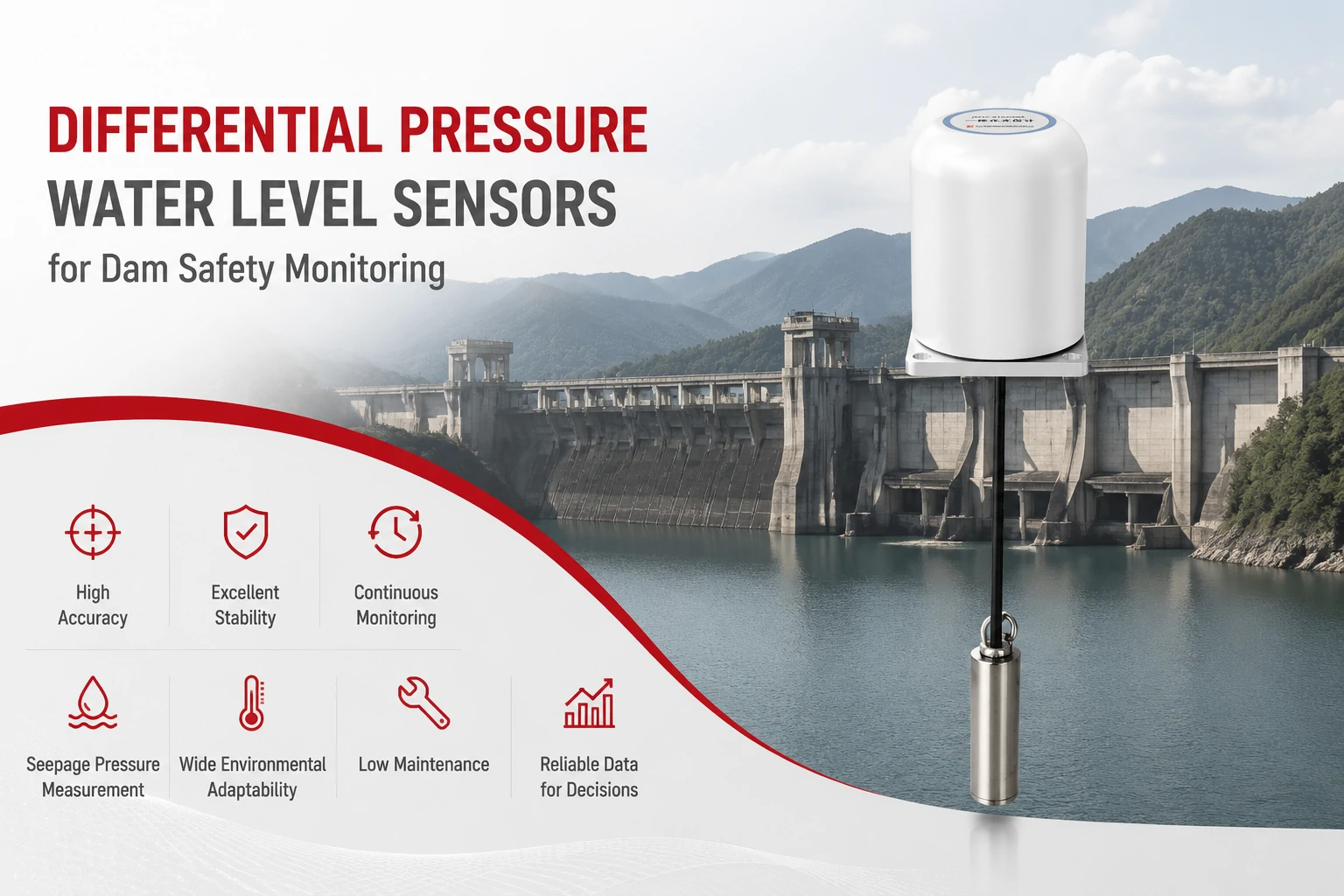
Key Takeaways The strongest fit is usually a confined, submerged, or s...
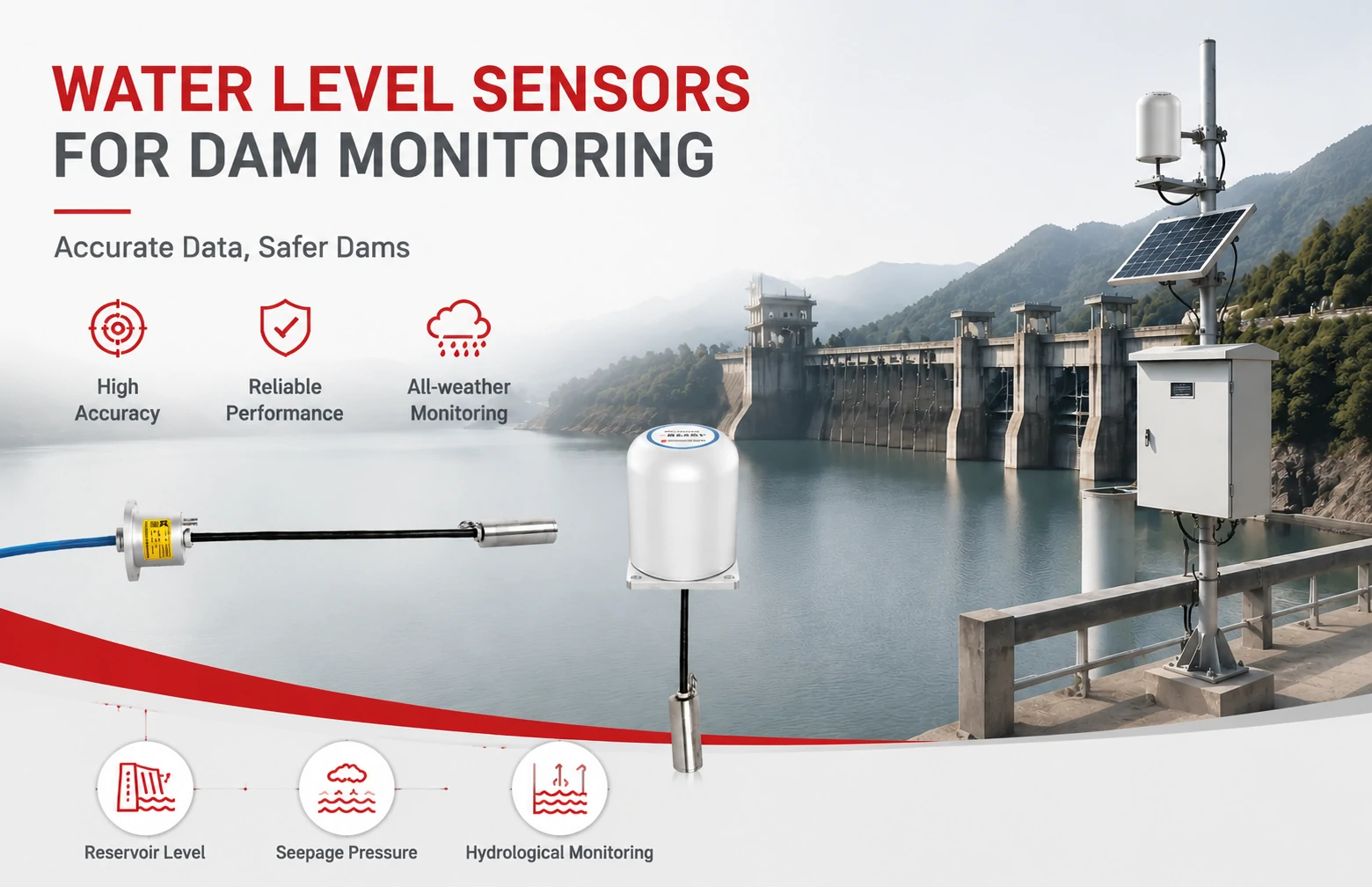
Kingmach Water Level Sensors for Dam Monitoring: A Buyer's Guide to Differential Pre...
Products
FAQ
It mainly comes down to cabling and temperature. IEPE types work with standard coaxial cable and signal conditioners, great for most industrial settings. Charge‑mode sensors handle very high temperatures or radiation but need low‑noise, high‑impedance cabling. If your environment stays below 125°C and you want simpler wiring, IEPE is usually the way to go.
Yes, but sensitivity and noise floor matter more than bandwidth on paper. For civil structures with vibrations below 1 Hz, you want a sensor with high output (e.g., 500 mV/g or more) and low electronic noise. Kingmach offers low‑frequency models with response down to 0.1 Hz, paired with seismic‑grade mounting accessories.
Stud mounting directly to a flat, clean surface gives the best high‑frequency response. Magnetic mounts are convenient for temporary surveys but roll off above 1‑2 kHz. Adhesive mounts work well on smooth, non‑porous surfaces and avoid damaging the test object. Always check the mounted resonance frequency—it should be at least 5 times higher than your highest frequency of interest.
Each sensor ships with a calibration chart from our lab, traceable to international standards. We also provide periodic recalibration services if your quality system requires it.
Many models are built with IP67 or IP68 ratings and stainless steel housings. For continuous outdoor use, specify a ruggedized cable with proper strain relief and seal the connector with the included boot or heat‑shrink tubing to prevent moisture ingress.
Share your product type, target capacity, and application requirements. Our team can review the details and recommend a practical next step.
If you are interested in our products or want to become our partner.
Please leave your contact information, our team will contact you as soon as possible.
Mail: [email protected]
Contact Us: +8613808434127
Address: No. 188 Tongzipo West Rd, Changsha, Hunan, China