
 EN
EN
 ar
ar bg
bg hr
hr cs
cs da
da nl
nl fi
fi fr
fr de
de el
el hi
hi it
it ko
ko no
no pl
pl pt
pt ro
ro ru
ru es
es sv
sv tl
tl iw
iw id
id lv
lv lt
lt sr
sr sk
sk sl
sl uk
uk vi
vi et
et hu
hu th
th tr
tr fa
fa ms
ms hy
hy ka
ka ur
ur bn
bn mn
mn ta
ta kk
kk uz
uz ku
ku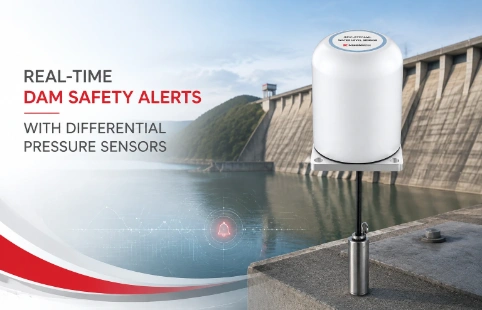
Real-Time Dam Safety Alerts with Differential Pressure Water Level Sensors
Key Takeaways An alert chain needs more than a sensor: define field in...

Industrial Load Cells: Precision Force Sensing for Critical Projects
A tunnel lining cracks, and nobody knows the exact load that caused it. That gap in data is where industrial load cells earn their keep. These sensors sit inside the structure—under a bridge bearing, in a pile, bolted to a rock anchor—and quietly report what the forces are doing. Kingmach builds load cells specifically for this kind of long-term, buried-in-concrete work. With a background in geotechnical instrumentation, we focus on sensors that stay stable over years, not just hours. The range covers hollow-core and solid designs, analogue and digital outputs, and capacities from a few tonnes to several hundred. Custom machining and wiring are standard when project specs demand it. If you deal with ground engineering, deep foundations, or structural health, getting the load data right matters more than the sensor’s price tag.
Technical Detail
Kingmach’s industrial load cells are not off-the-shelf lab curiosities. They are built for jobs like monitoring anchor forces in a retaining wall, tracking load redistribution in a tunnel segment, or verifying pile test loads. Most are based on strain gauge bridges, sealed to IP67 or higher when required, and temperature-compensated for outdoor environments. The housing is typically machined from alloy steel or stainless steel, with a choice of cable entries and connectors to match field wiring conditions. Output options include mV/V, 4–20 mA, and RS485, so they drop into manual readout boxes or automated dataloggers without extra signal conditioning. Because Kingmach handles design in-house, we regularly adjust dimensions to fit existing installation pockets, modify the number of strain gauges for redundancy, or add features like built-in surge protection. The product line includes center-hole load cells for ground anchors, solid compression-only cells for pile tests, and low-profile cells for space-constrained applications. All units are paired with calibration certificates traceable to national standards, and our support team helps with on-site integration when needed. For projects that span multiple countries, we have distribution partners who handle local logistics and spare parts, so an engineer in Kuala Lumpur gets the same technical backup as one in Santiago.
News
Key Takeaways An alert chain needs more than a sensor: define field in...
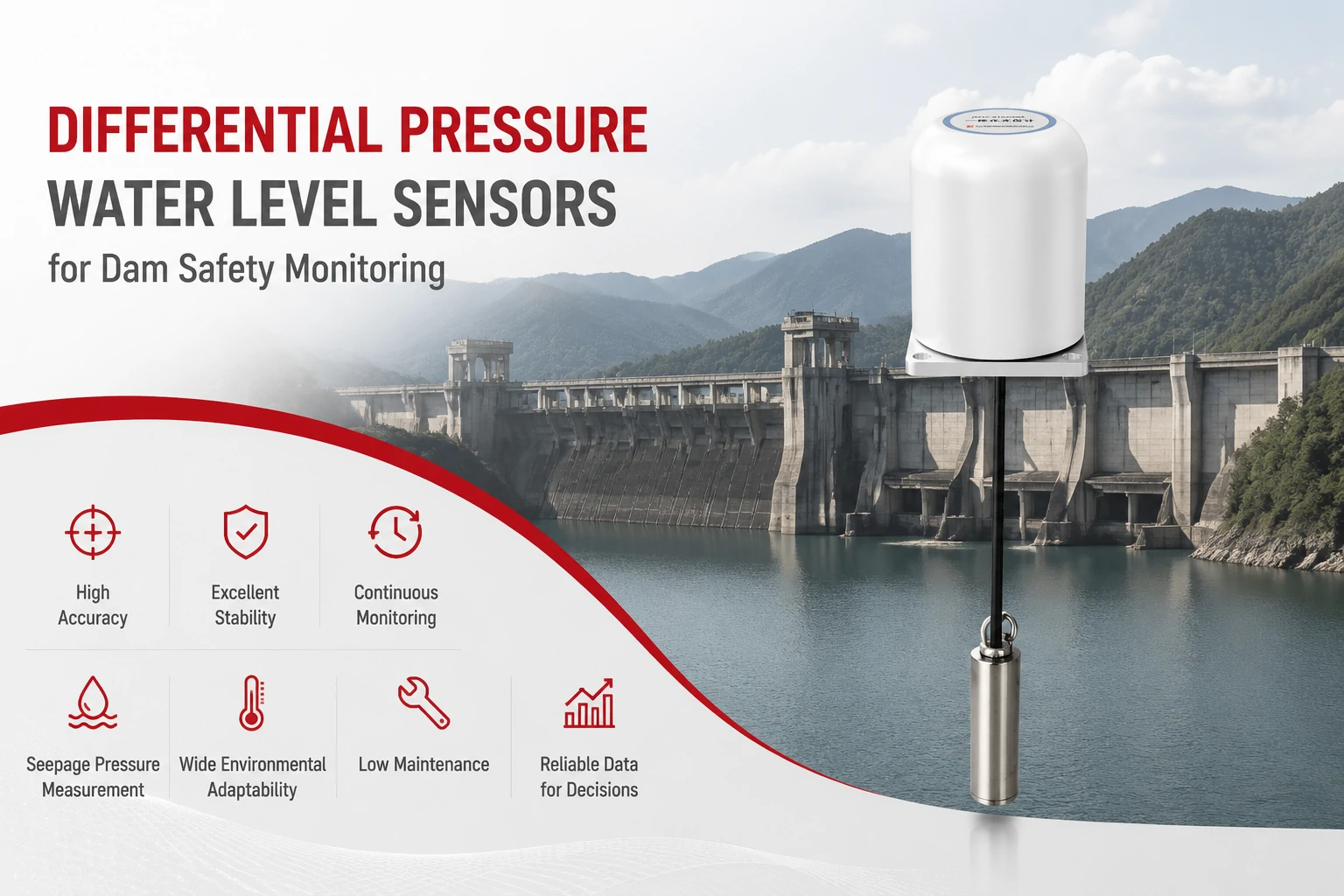
Key Takeaways The strongest fit is usually a confined, submerged, or s...
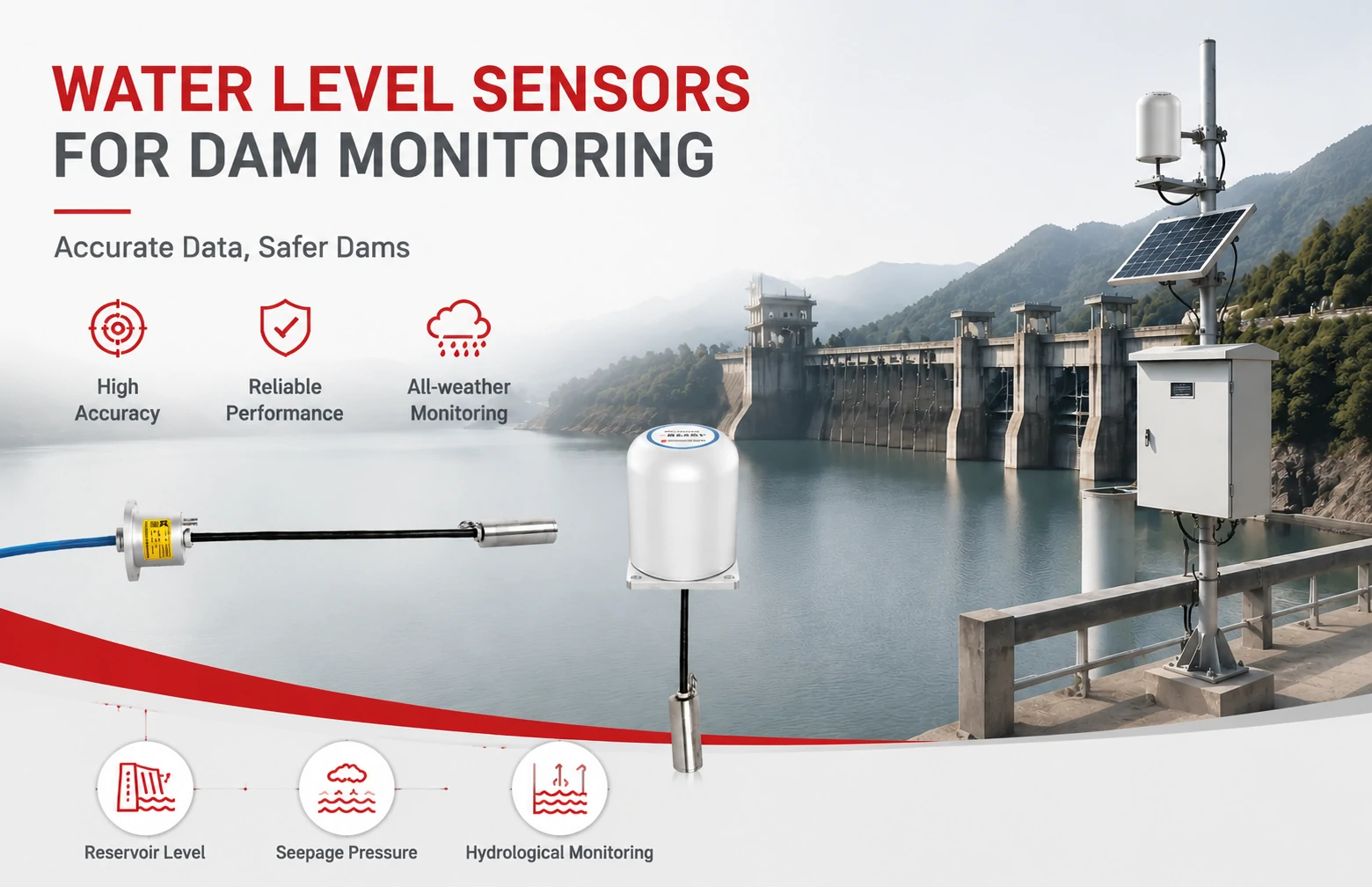
Kingmach Water Level Sensors for Dam Monitoring: A Buyer's Guide to Differential Pre...
Products
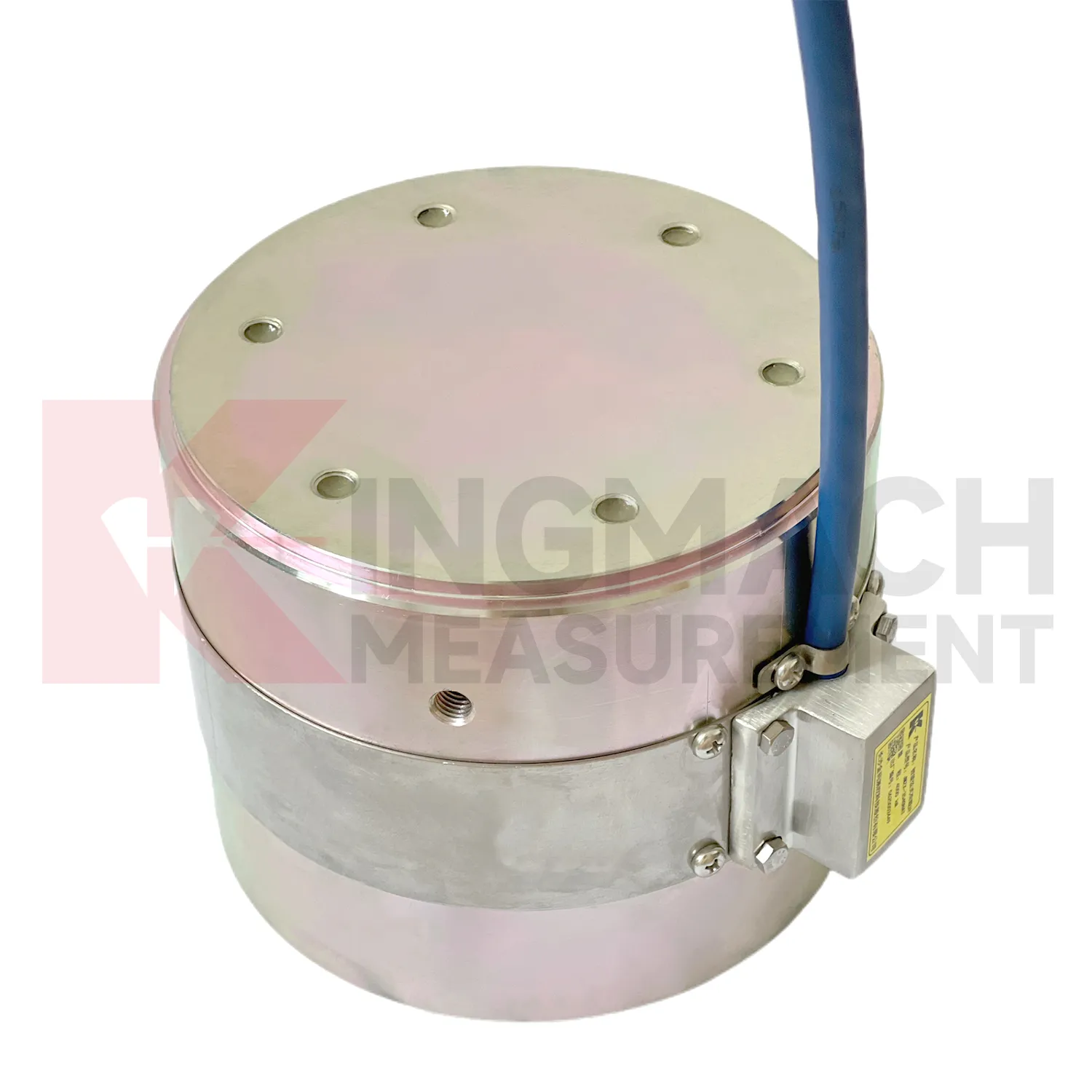
Solid load cell JMZX-34XXHAT、35XXHAT、36XXHAT
View Details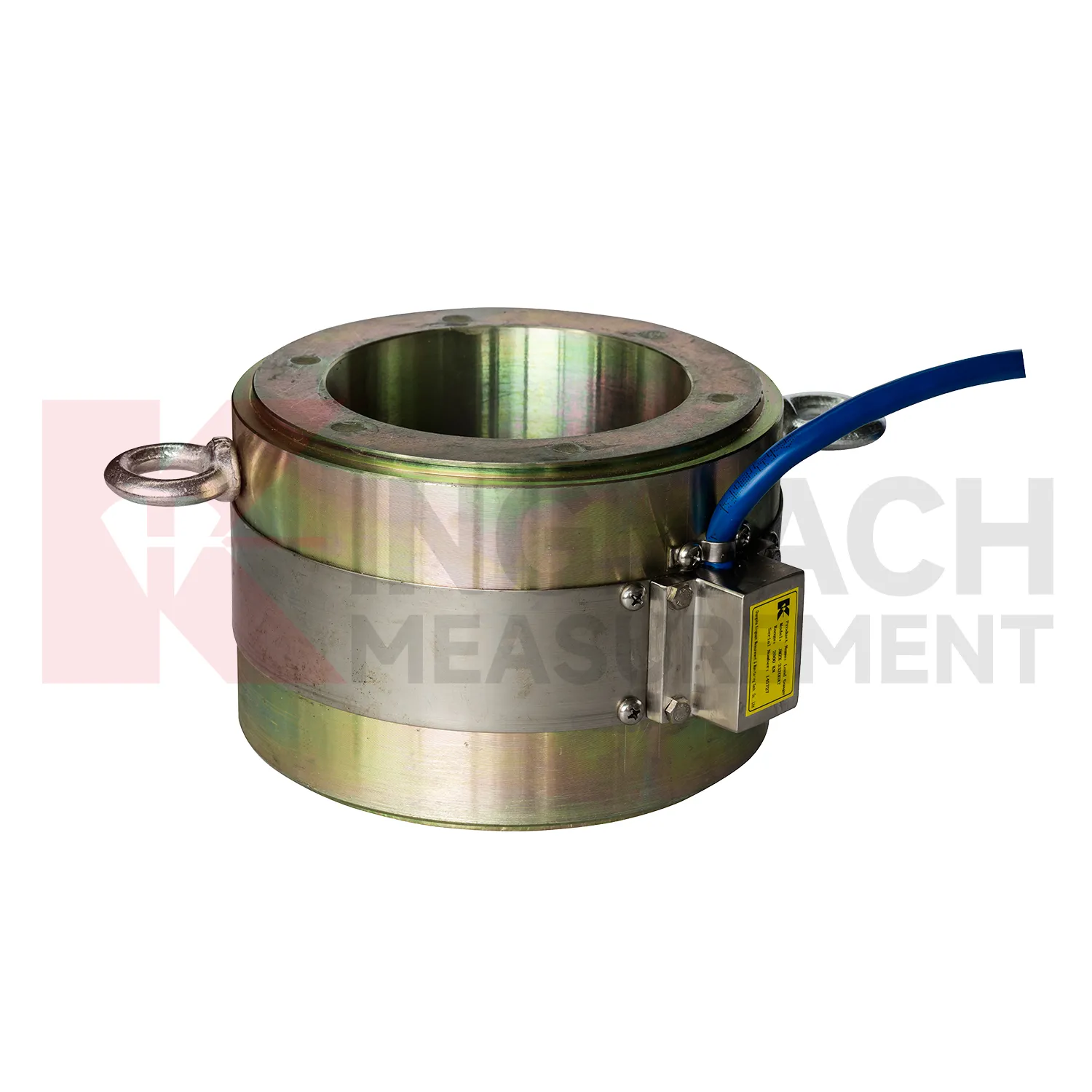
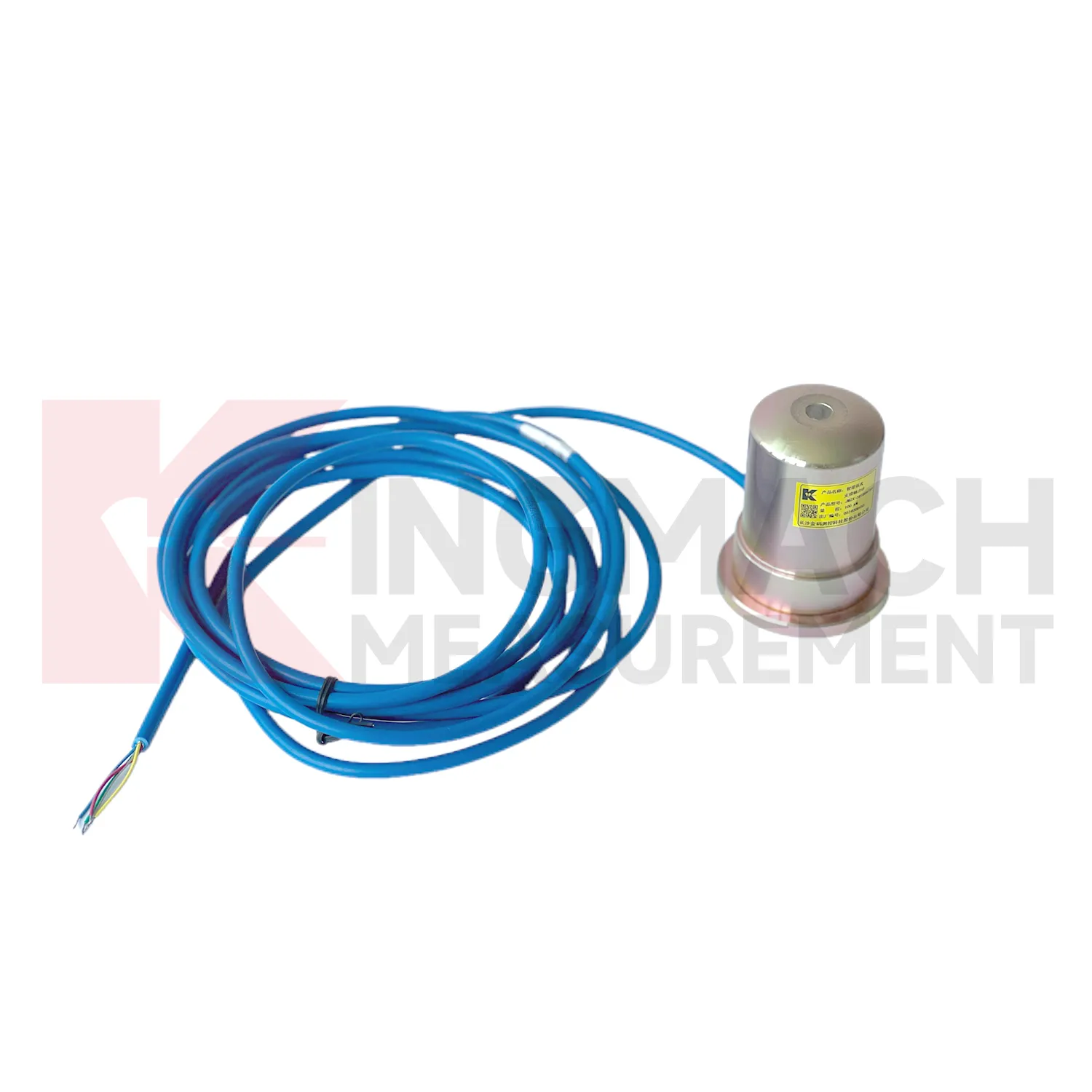
Smart Formwork Axial Force Meter(VW)JMZX-39XXHAT
View DetailsFAQ
Standard capacities start at 50 kN and go up to 10,000 kN, depending on the model. Hollow-core anchor cells usually cover 100 kN to 6,000 kN, while solid compression cells are common up to 5,000 kN. We can engineer higher ranges if the project requires it.
For long-term embedment, we use IP68-rated versions with double O-ring seals and stainless steel construction. In marine or chemically aggressive environments, additional coating or sacrificial anodes are often specified. We recommend a detailed application review so we configure the right material and sealing.
Yes. In addition to the standard mV/V output, many models can be built with an integrated amplifier giving 4–20 mA or RS485 (Modbus RTU). This makes them compatible with our automatic dataloggers or third-party SCADA systems without extra transmitters.
Each unit ships with a calibration certificate that references force standards traceable to our national metrology institute. The certificate lists applied load versus output at multiple points, usually five to ten steps, and includes zero balance and creep data. Upgraded certificates with extra points or bidirectional loading are available on request.
Outside diameter, center-hole size, and height can all be modified within the mechanical limits of the sensing element. We regularly adjust these to fit existing jacking equipment or bearing plates. The lead time for custom dimensions is typically a few weeks extra, depending on the complexity of the machining.
Share your product type, target capacity, and application requirements. Our team can review the details and recommend a practical next step.
If you are interested in our products or want to become our partner.
Please leave your contact information, our team will contact you as soon as possible.
Mail: [email protected]
Contact Us: +8613808434127
Address: No. 188 Tongzipo West Rd, Changsha, Hunan, China