
 EN
EN
 ar
ar bg
bg hr
hr cs
cs da
da nl
nl fi
fi fr
fr de
de el
el hi
hi it
it ko
ko no
no pl
pl pt
pt ro
ro ru
ru es
es sv
sv tl
tl iw
iw id
id lv
lv lt
lt sr
sr sk
sk sl
sl uk
uk vi
vi et
et hu
hu th
th tr
tr fa
fa ms
ms hy
hy ka
ka ur
ur bn
bn mn
mn ta
ta kk
kk uz
uz ku
ku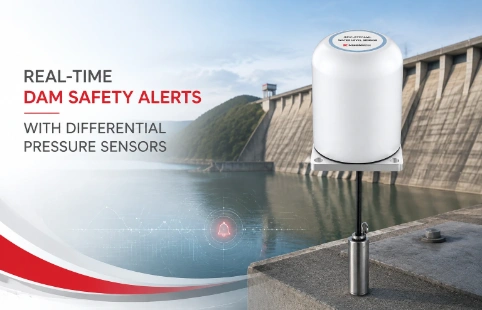
Real-Time Dam Safety Alerts with Differential Pressure Water Level Sensors
Key Takeaways An alert chain needs more than a sensor: define field in...

Load Cell Indicator That Works as Hard as You Do
You’re on site, and you need to know right now what’s happening with that anchor load or pile stress. A load cell indicator that drifts or takes ten button presses to get a number isn’t help. It’s a delay. At Kingmach, we build indicators for people who do infrastructure monitoring every day. We focus on two things: readings you can trust without second‑guessing, and a workflow that doesn’t slow you down. Our indicators cover everything from quick handheld checks to multi‑sensor logging, working with most sensor types you’ll encounter. And since we’ve been in geotechnical instruments for over twenty years, we understand that a spec sheet is only half the story — the rest is how a tool holds up under dust, moisture, and long hours. This introduction isn’t a promise of perfection. It’s a look at how we solve common field headaches with practical design.
Technical Detail
Kingmach’s range of load cell indicators grew out of direct feedback from engineers and technicians who kept asking for simpler, sturdier readout devices. The lineup includes handheld units that slip into a vest pocket, bench‑top models for lab calibration work, and multi‑channel data loggers that can monitor several sensors simultaneously. Compatibility spans the usual field suspects: vibrating wire load cells, strain‑gauge load cells, and 4–20 mA transmitters. Where many indicators deliver raw digits and force you to manually apply calibration factors, ours often include built‑in coefficient storage so you select a sensor and see engineering units immediately. Power options vary, from alkaline batteries that last months in intermittent use to rechargeable packs and DC inputs for permanent installations. Display choices include high‑contrast LCDs readable in direct sun and, on advanced models, graphical interfaces that show real‑time curves. Data export is typically handled via USB or SD card, with formats that drop directly into spreadsheet software. All units come with a rugged IP65‑rated enclosure as standard, with IP67 available on some models for areas that see heavy rain or temporary submersion. Kingmach also offers customization, whether it’s a non‑standard connector, a wireless module for remote readout, or specific calibration for non‑linear sensors. Our after‑sales team provides technical guidance on setup and troubleshooting, and we ship from hubs in Asia and Europe to keep lead times short. While we position ourselves in the mid‑market, the components and testing procedures match what you’d expect from higher‑priced competitors — we simply keep overhead low by manufacturing in‑house and selling direct to integrators and contractors.
News
Key Takeaways An alert chain needs more than a sensor: define field in...
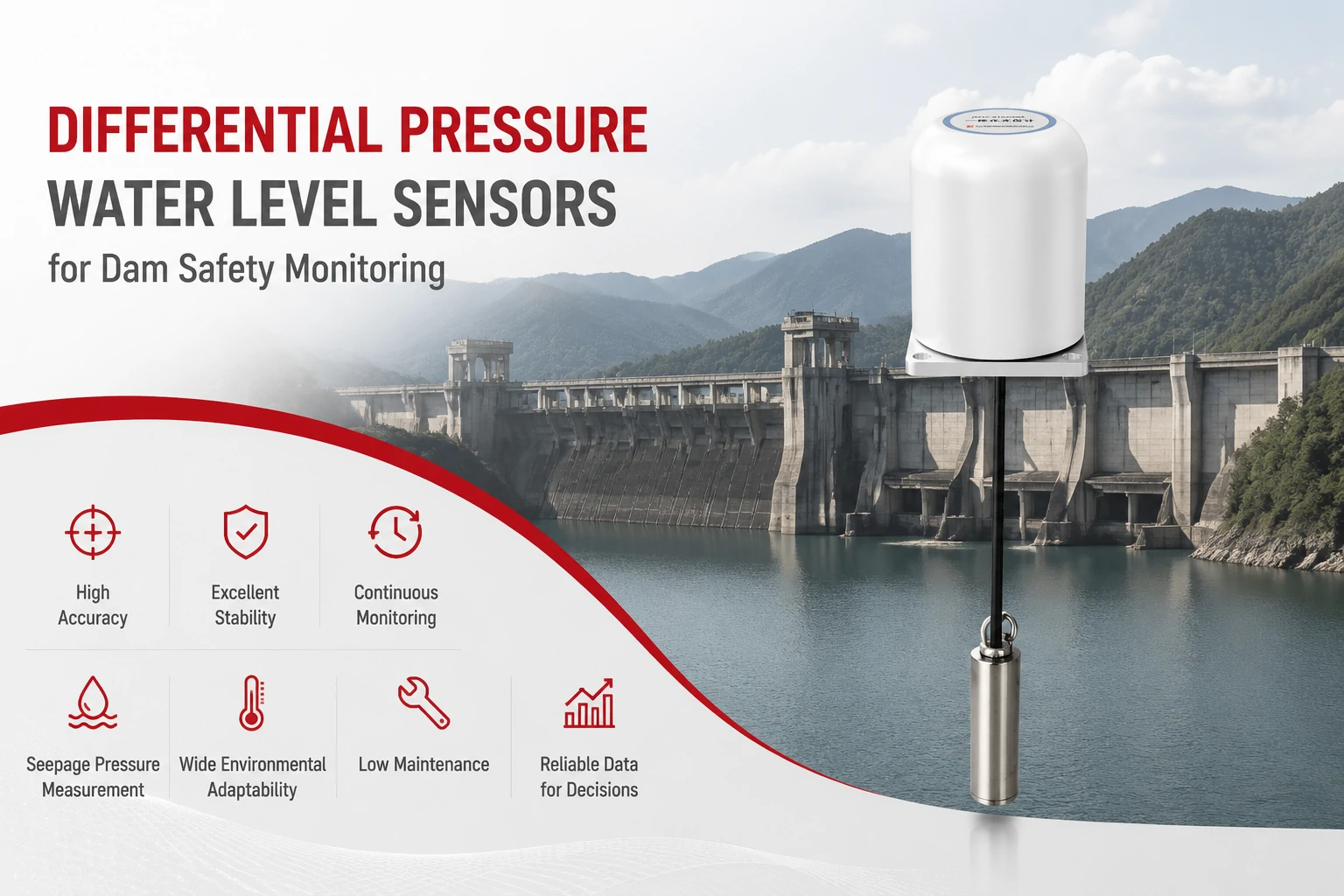
Key Takeaways The strongest fit is usually a confined, submerged, or s...
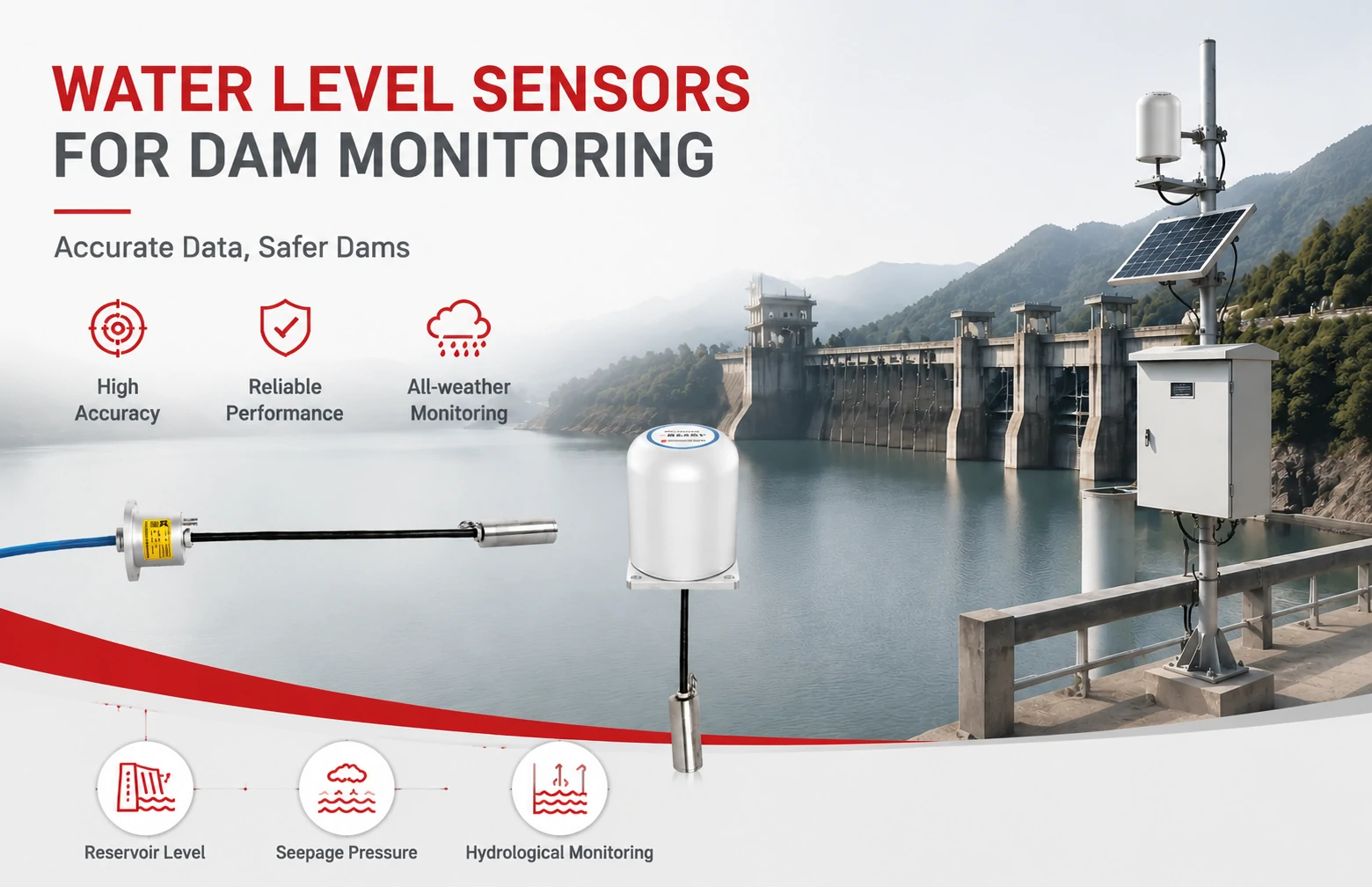
Kingmach Water Level Sensors for Dam Monitoring: A Buyer's Guide to Differential Pre...
Products
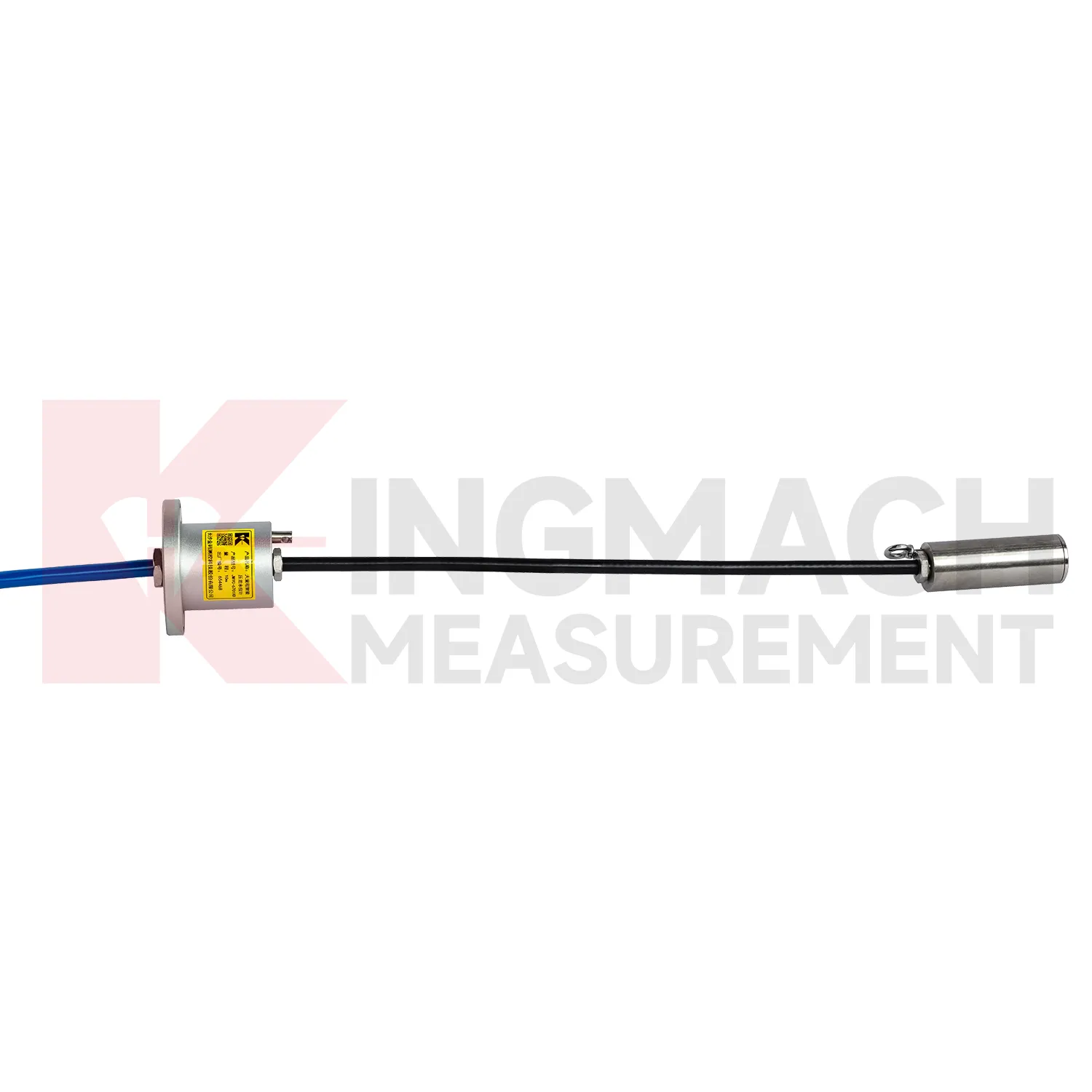
Wide-Range Smart Differential Pressure Water Level Meter JMYC-67XXAD
View Details
Earth Pressure Cell ( VW & Smart Type) JMZX-50XXAT/ ATM
View Details
Smart Formwork Axial Force Meter(VW)JMZX-39XXHAT
View DetailsFAQ
Start by checking your sensor’s output — vibrating wire, mV/V, 4–20 mA, or digital like RS‑485. Kingmach indicators cover all these. For example, if your load cell is a standard strain‑gauge type with mV output, our handheld unit with an integrated amplifier will work directly. For vibrating wire, you need an indicator that supplies an excitation sweep and reads frequency; our VW‑series indicator does that. If you have mixed sensors on one site, the multi‑channel loggers can auto‑detect input type on each channel. The sales team can help you verify compatibility if you share a spec sheet.
Yes, that’s our baseline. All standard enclosures are IP65, so dust and low‑pressure water jets won’t be an issue. We have IP67 options for monsoon regions or areas where instruments might sit in pooled water. Connectors are either military‑style screw‑lock or industrial M12, not flimsy headphone jacks. The screen glass is chemically strengthened. Drop testing is part of our production checks. We’ve had units come back covered in concrete splatter but still functioning.
You can do both. Our basic handheld gives a snapshot reading and can hold the peak or store a few hundred data points manually. For logging, the multi‑channel models have internal memory for months of scheduled readings, and you can set intervals from once per second to once per day. Data gets saved with a time stamp. Some models support real‑time streaming to a PC via USB, which is handy during load tests.
We provide a factory calibration certificate with every indicator. If you send us your load cell together with the indicator, we can calibrate the pair as a system — that eliminates the common headache of entering coefficients in the field. The system certificate then shows error over the full range. Turnaround is usually five working days plus shipping.
We regularly adapt indicators for projects. Examples include adding an analogue retransmission output so the indicator feeds a PLC, implementing a specific communication protocol (Modbus, CAN, etc.), or changing the display units to a non‑standard scale. The engineering team evaluates each request; low‑complexity changes often add no extra cost if they’re within our standard mod options.
Share your product type, target capacity, and application requirements. Our team can review the details and recommend a practical next step.
If you are interested in our products or want to become our partner.
Please leave your contact information, our team will contact you as soon as possible.
Mail: [email protected]
Contact Us: +8613808434127
Address: No. 188 Tongzipo West Rd, Changsha, Hunan, China