
 EN
EN
 ar
ar bg
bg hr
hr cs
cs da
da nl
nl fi
fi fr
fr de
de el
el hi
hi it
it ko
ko no
no pl
pl pt
pt ro
ro ru
ru es
es sv
sv tl
tl iw
iw id
id lv
lv lt
lt sr
sr sk
sk sl
sl uk
uk vi
vi et
et hu
hu th
th tr
tr fa
fa ms
ms hy
hy ka
ka ur
ur bn
bn mn
mn ta
ta kk
kk uz
uz ku
ku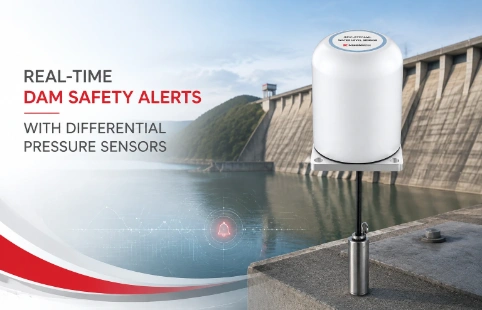
Real-Time Dam Safety Alerts with Differential Pressure Water Level Sensors
Key Takeaways An alert chain needs more than a sensor: define field in...

Pressure Load Cells: Proven Performance in Force Measurement
When monitoring ground pressure in a tunnel project or weighing silos at a cement plant, the load cell is often the unsung workhorse. Kingmach, a specialist in measurement technology, designs pressure load cells that handle these roles without fuss. Their instruments are built for repeatable readings under varied conditions, whether embedded in soil or bolted to a hopper. With a background in geotechnical instrumentation, Kingmach brings a pragmatic approach to sensor design—focusing on drift resistance, sealing, and easy integration. This page outlines how their pressure load cells work, where they’re used, and what support comes with them. You’ll also find answers to common questions about selection and maintenance. “Pressure load cell” might be a generic term, but Kingmach’s versions are made to match the specific demands of each project, from onshore construction to remote monitoring stations.
Technical Detail
Kingmach builds pressure load cells around strain gauge technology, housed in stainless steel or high-strength alloy steel for corrosion resistance. They offer both mV/V analog outputs and amplified signals for connection to data loggers or PLCs. Common capacities range from a few hundred kilograms to several hundred tonnes, with custom ranges available for specialized geotechnical projects. For embedment applications, the sensors are potted or welded for IP68 protection, ensuring long-term stability even in saturated soils. Lateral earth pressure cells and total pressure cells are frequently provided with integrated thermistors for temperature compensation—an important detail when readings shift with weather. In industrial weighing, low-profile pancake designs or column-type cells are available, each with mounting adapters to simplify installation. Kingmach’s in-house calibration rig applies traceable deadweights, not just electronic simulation, which many users find gives a truer zero and span. Beyond the hardware, the company maintains a network of regional distributors who can deliver on-site troubleshooting and recalibration. Every order includes a set of wiring diagrams and a quick-start sheet, with engineering support accessible by email or phone when something doesn’t match the manual. Custom pinouts, non-standard cable lengths, and special purge connectors are typical requests the team has handled.
News
Key Takeaways An alert chain needs more than a sensor: define field in...
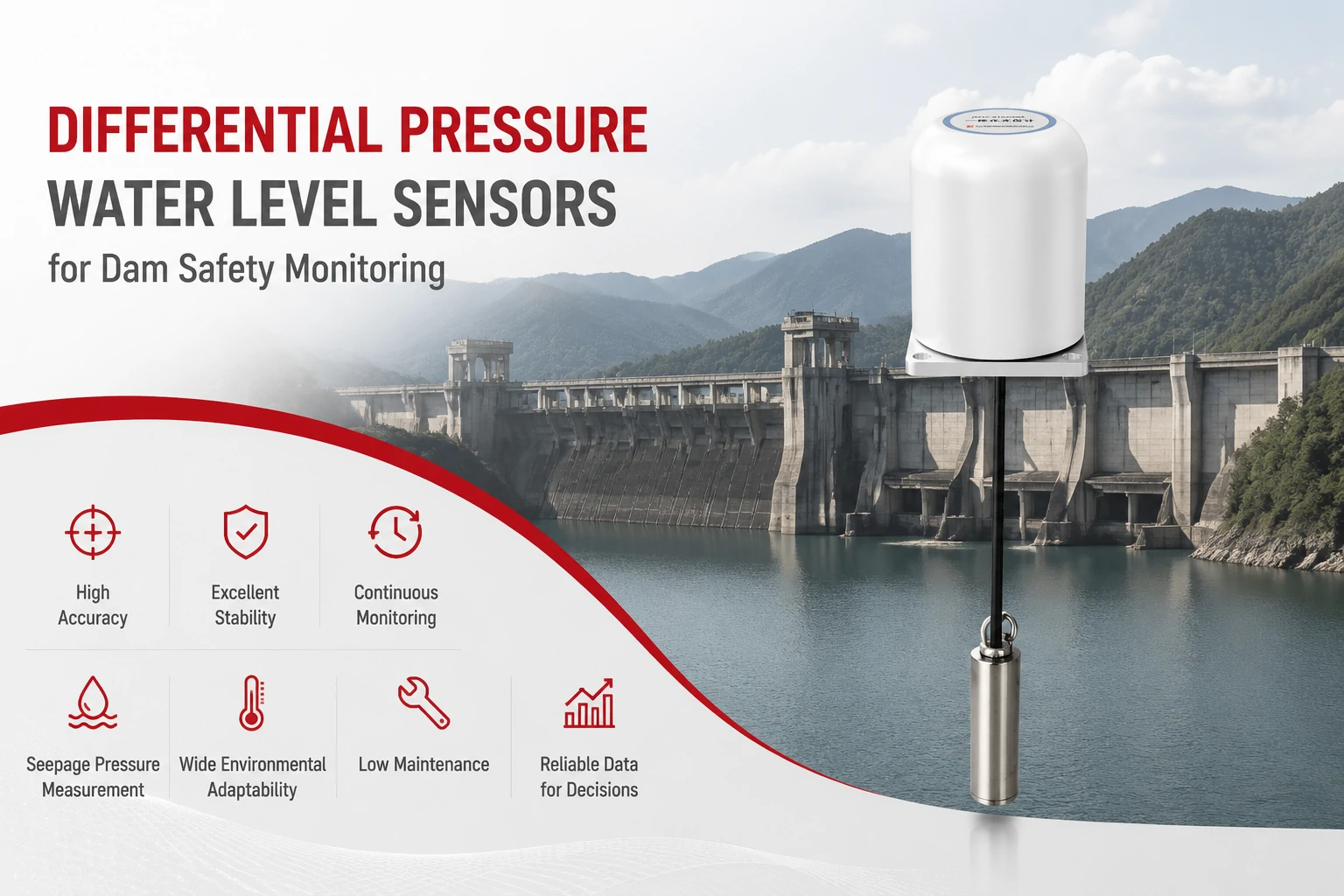
Key Takeaways The strongest fit is usually a confined, submerged, or s...
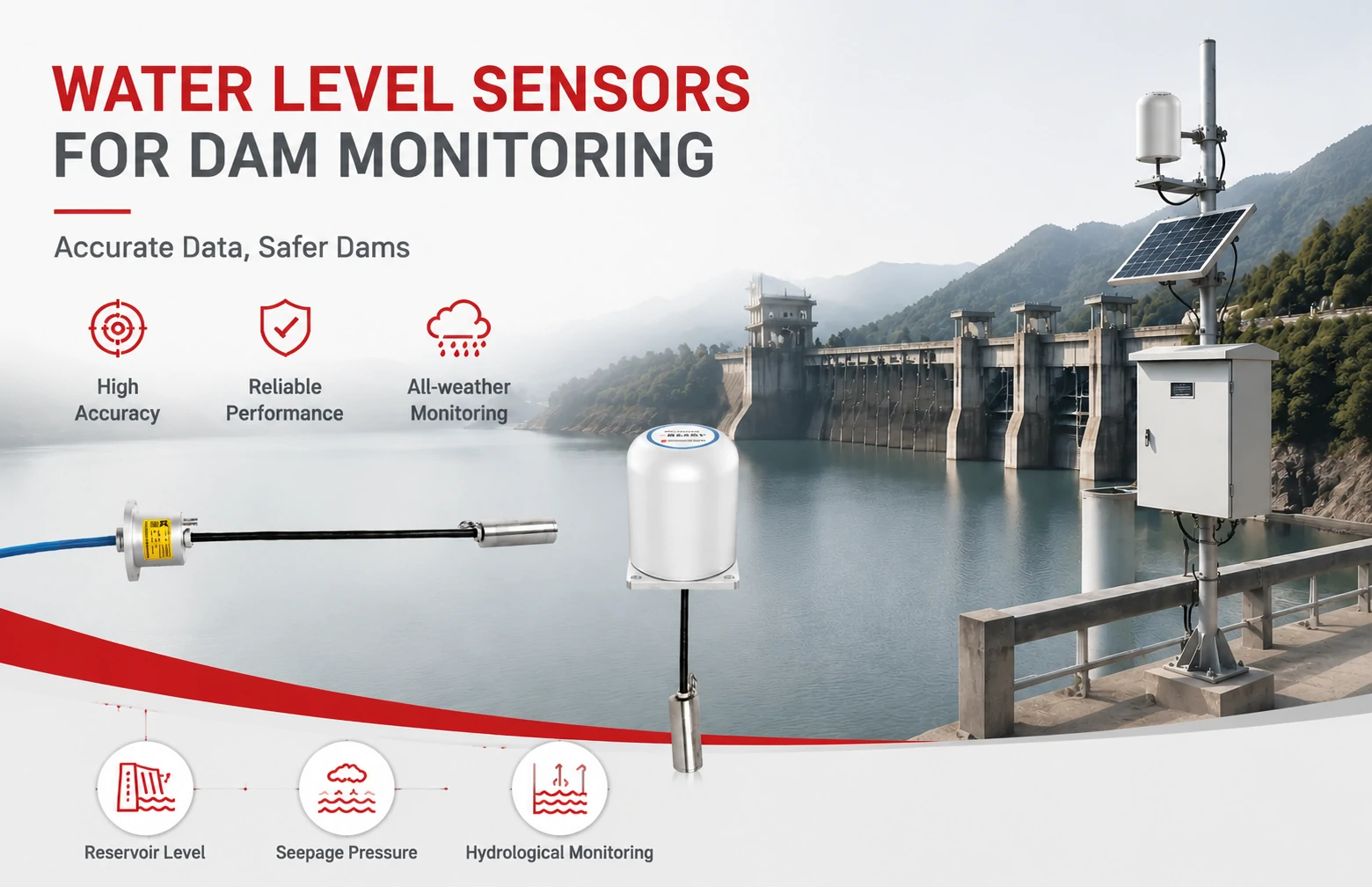
Kingmach Water Level Sensors for Dam Monitoring: A Buyer's Guide to Differential Pre...
Products
Smart Vibrating Wire PiezometerSmart Piezometers (VW) JMZX-55XXHAT
View Details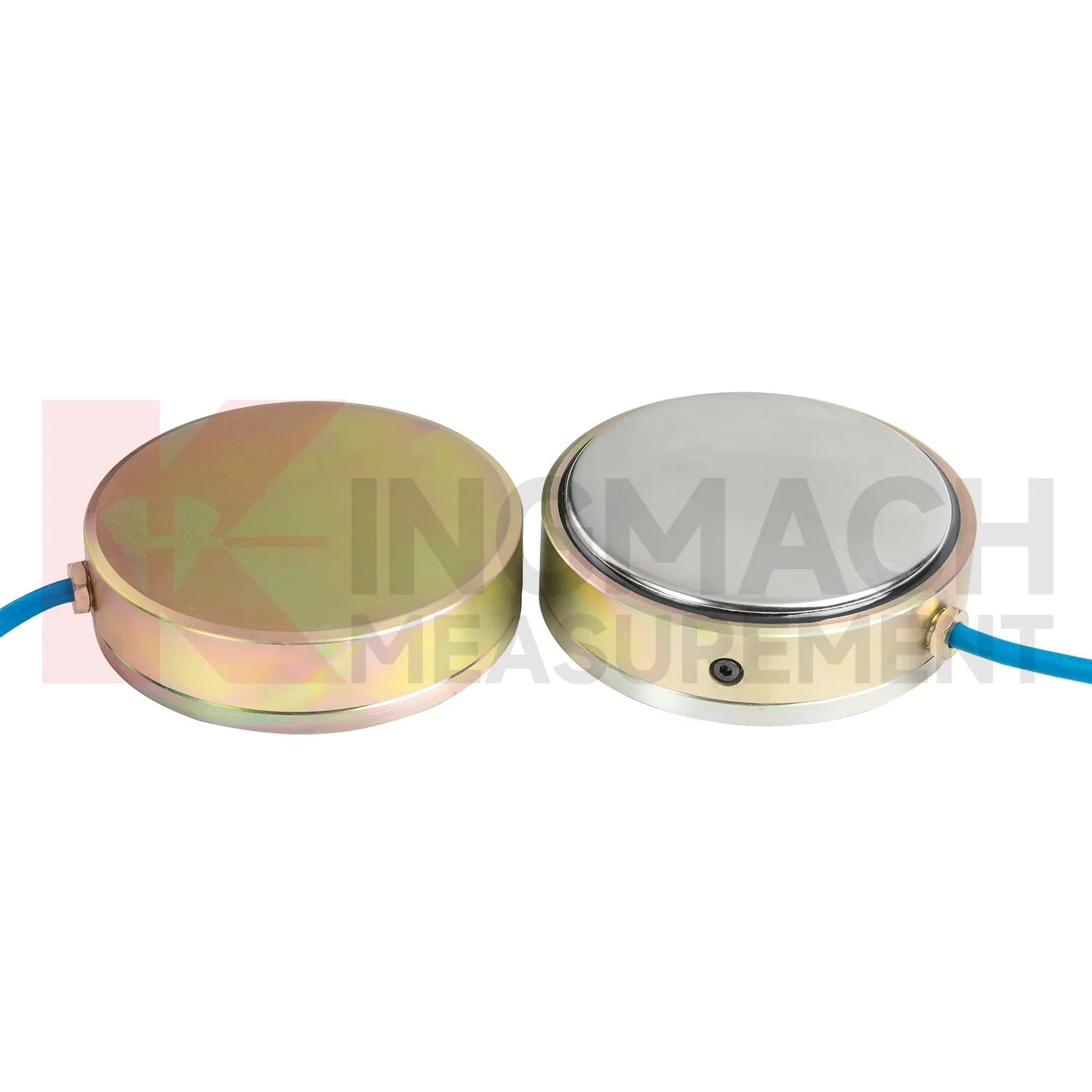
Large Earth Pressure Cell ( VW & Smart Type) JMZX-51XXAT/ ATM
View Details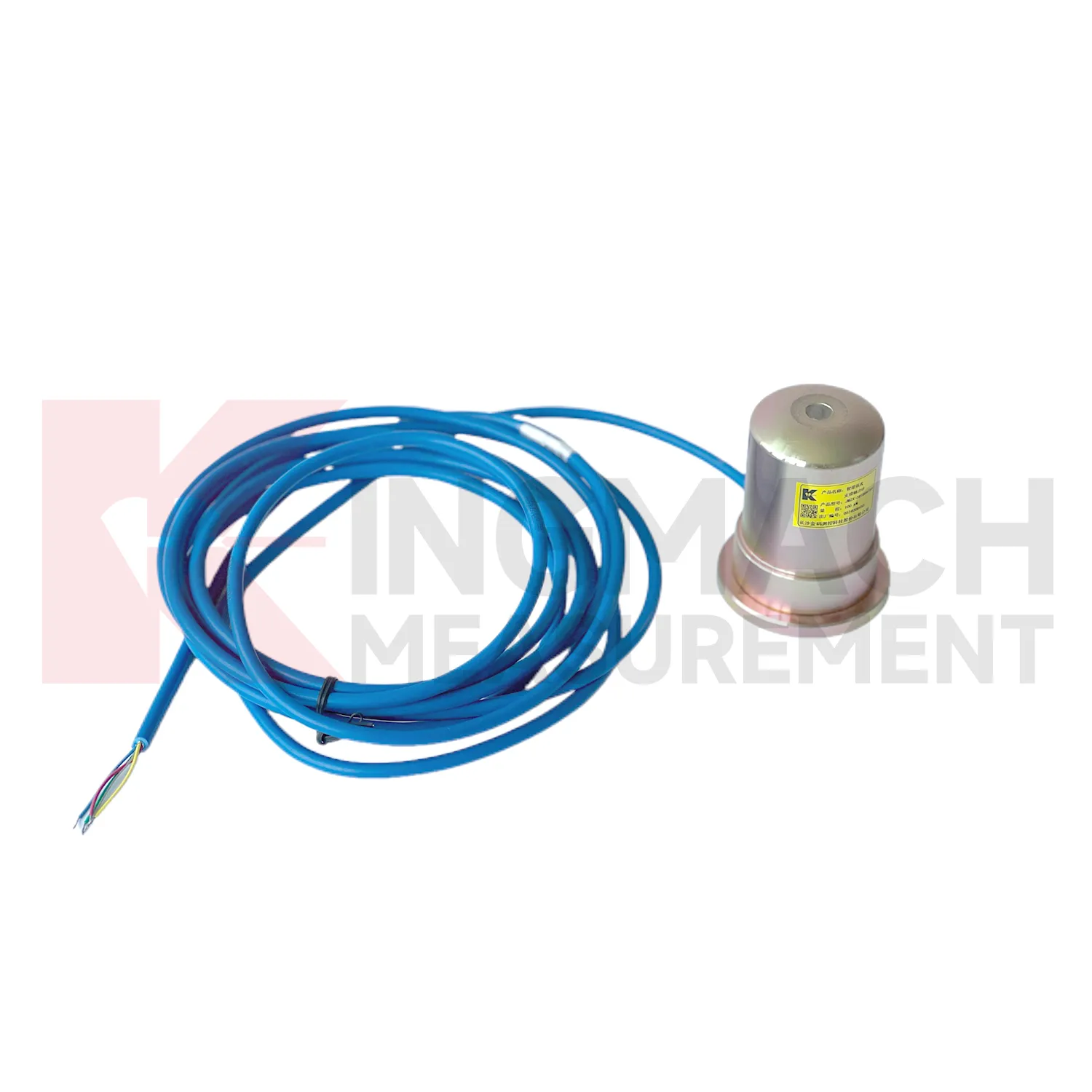
Smart Formwork Axial Force Meter(VW)JMZX-39XXHAT
View DetailsFAQ
Most standard units come with a millivolt output (e.g., 2 mV/V) suitable for strain gauge amplifiers. We can also build in a 4-20mA or 0-10V transmitter if your system runs on PLC or industrial current loops. Just tell us your control panel’s input specs.
Yes, we supply models with IP68-rated sealing and polyurethane-jacketed cables for long-term submersion. They’re often used in marine or groundwater applications where the sensor sits in a borehole or underwater structure.
Each cell is calibrated against deadweight standards in our facility, with a certificate showing the test data. We reference national standards, and if your project requires third-party accreditation, we can arrange that through a partner lab.
A good rule is to select a capacity about 20-30% above your maximum expected load to avoid overload damage while keeping good resolution. For dynamic loads, consider fatigue-rated designs. Our technical team can help analyze your load case if you share force profiles or drawings.
Keep the cable exit and connector free from cement dust buildup, as it can trap moisture. Inspect the sealing surfaces every few months, and check the zero balance occasionally. If drift exceeds your tolerance, recalibration is straightforward.
Share your product type, target capacity, and application requirements. Our team can review the details and recommend a practical next step.
If you are interested in our products or want to become our partner.
Please leave your contact information, our team will contact you as soon as possible.
Mail: [email protected]
Contact Us: +8613808434127
Address: No. 188 Tongzipo West Rd, Changsha, Hunan, China