
 EN
EN
 ar
ar bg
bg hr
hr cs
cs da
da nl
nl fi
fi fr
fr de
de el
el hi
hi it
it ko
ko no
no pl
pl pt
pt ro
ro ru
ru es
es sv
sv tl
tl iw
iw id
id lv
lv lt
lt sr
sr sk
sk sl
sl uk
uk vi
vi et
et hu
hu th
th tr
tr fa
fa ms
ms hy
hy ka
ka ur
ur bn
bn mn
mn ta
ta kk
kk uz
uz ku
ku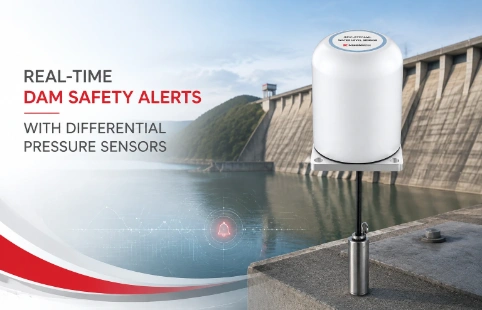
Real-Time Dam Safety Alerts with Differential Pressure Water Level Sensors
Key Takeaways An alert chain needs more than a sensor: define field in...

Soil Moisture Sensor Reviews: Key Considerations for Projects
When monitoring soil moisture for agriculture or construction, the sensor you pick can save—or waste—hours of field time. Online reviews often mix consumer-grade gadgets with professional tools, making it hard to know what actually works. We've spent years installing and supporting moisture sensors across dozens of sites, from slope stability projects to irrigation systems. That field experience has taught us that a good sensor isn't just about the price tag—it's about how long it survives in wet, salty, or compacted soil, and whether the data stays consistent season after season. Kingmach is a professional manufacturer that focuses on geotechnical monitoring. While we don't sell directly to the end user in every case, our sensors are used globally in projects that demand reliability. The following guide walks through what real-world reviews should highlight: things like sensor type, response time, and the importance of local support. Whether you're reading user reviews or technical specs, these points will help you cut through the noise.
Technical Detail
We design soil moisture sensors to measure volumetric water content using either capacitance or TDR principles, depending on what your project needs. The capacitance-type sensors are straightforward to install and cost-effective for large-scale agriculture, while TDR-based units give you higher accuracy in saline soils. Many reviews miss this distinction—so we make it a point to offer both, along with clear guidance on which works where. Our product range also covers different probe lengths and output signals, from simple analog voltage to SDI-12 digital. You can get a sensor that fits your existing data logger, or we can customize the cable length and connector type. If you need soil moisture and temperature in one probe, we have that too. It's the kind of flexibility you won't always find in off-the-shelf units, and it shows up in the positive feedback we get from system integrators. Global distribution means you're not stuck waiting weeks for a replacement. We keep stock in regional hubs, and our technical team can help you troubleshoot over a call or by logging into your data remotely. For large projects, we work with you on custom calibration for specific soil types—something that turns a mediocre sensor into a reliable measurement tool. That level of support is what separates a paper specification from a sensor that actually performs year after year.
News
Key Takeaways An alert chain needs more than a sensor: define field in...
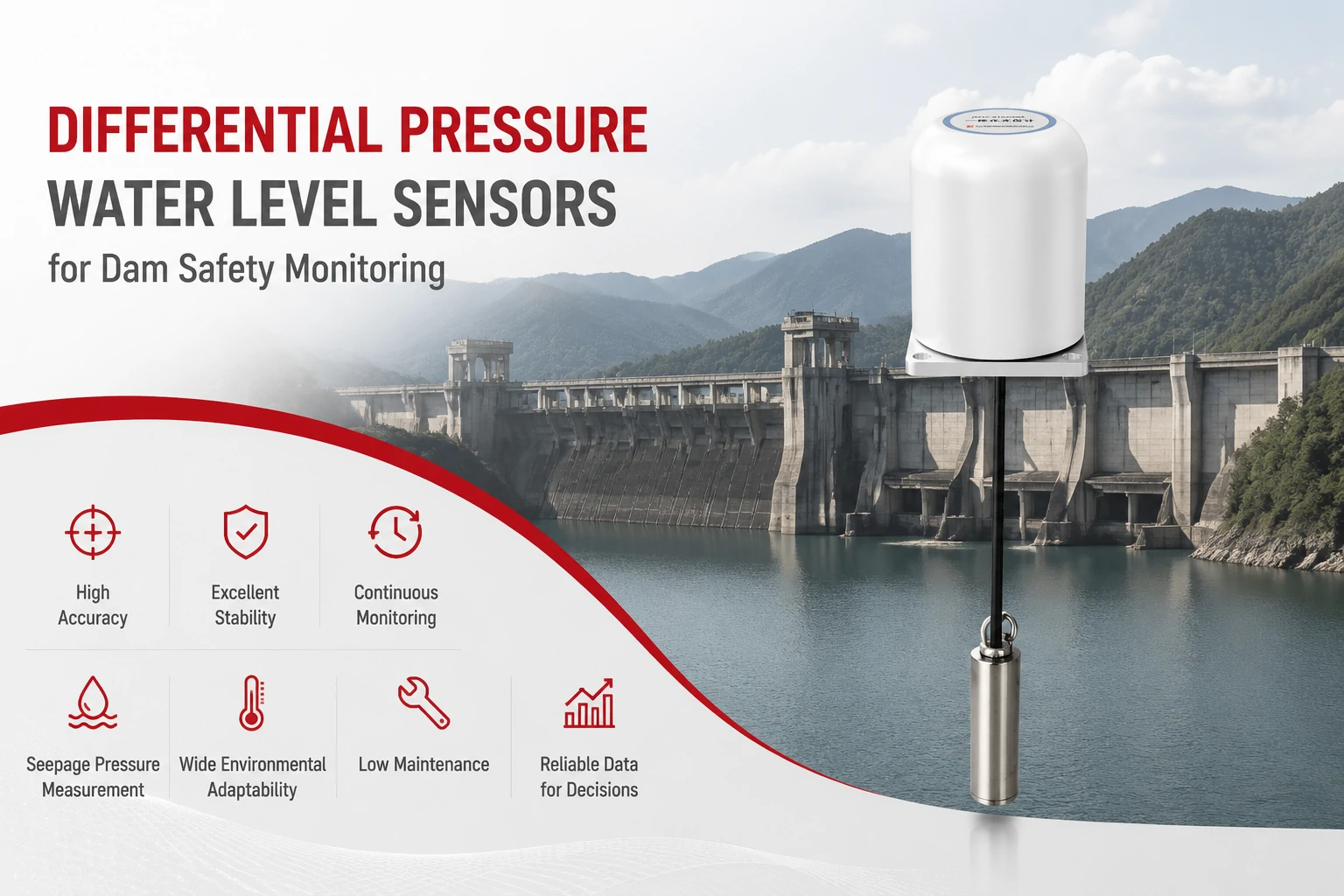
Key Takeaways The strongest fit is usually a confined, submerged, or s...
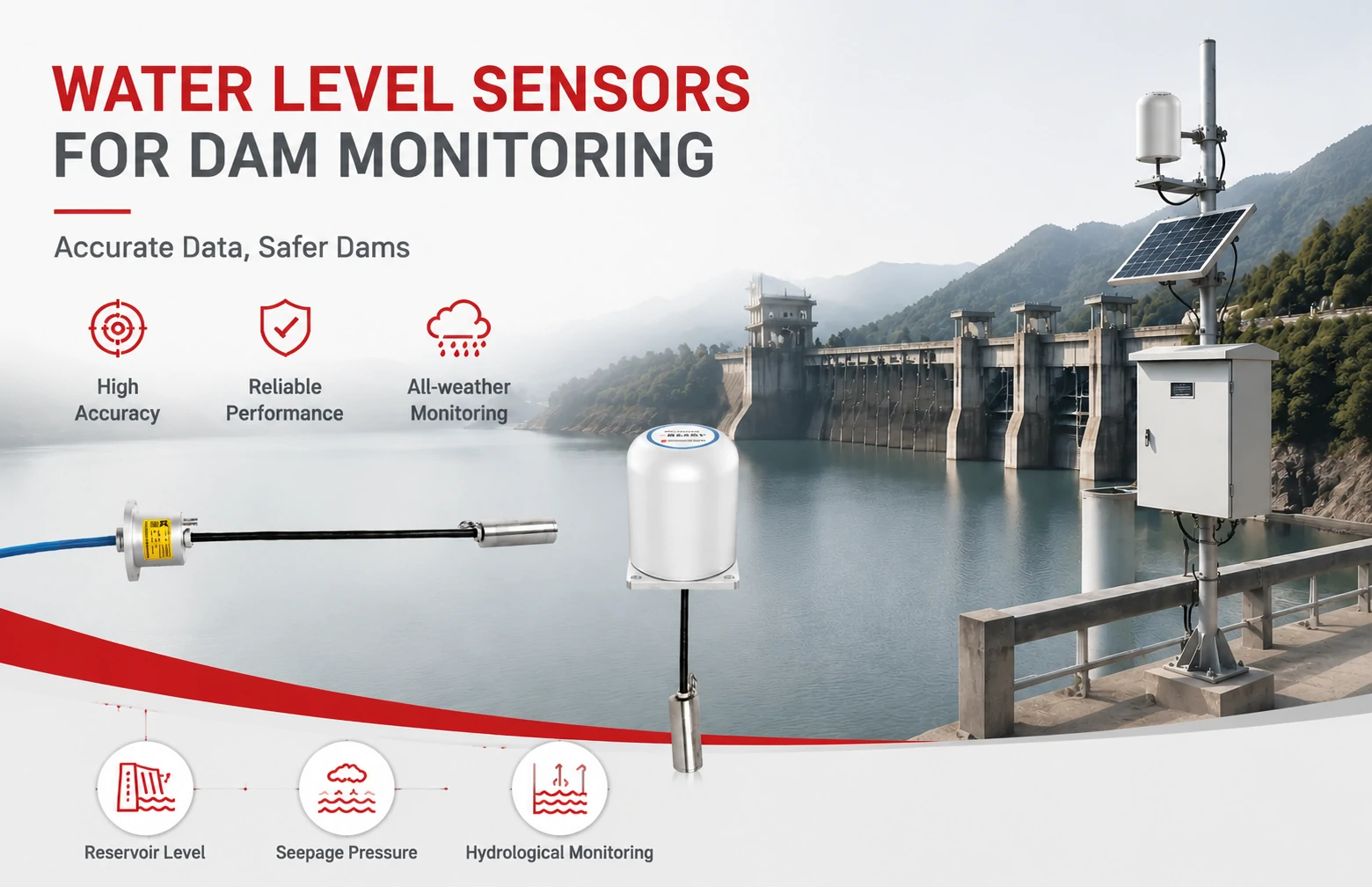
Kingmach Water Level Sensors for Dam Monitoring: A Buyer's Guide to Differential Pre...
Products
FAQ
Look for sensors that list their accuracy as a percentage of volumetric water content, typically ±1% to ±3% depending on the soil type. For construction or landslide monitoring, you'll want the higher end. Many user reviews fail to mention that accuracy drops if the sensor isn't calibrated for local soil. At Kingmach, we often provide a two-point calibration service before shipping, which can bring field accuracy much closer to lab specs.
Capacitance sensors measure how the soil's dielectric constant changes with moisture; they're rugged and affordable but can drift in high-salinity soils. TDR (time domain reflectometry) sends a pulse along the probes and measures the travel time—this approach is less affected by salinity and generally more accurate, though the electronics are pricier. Depending on your budget and soil conditions, we can recommend one over the other. Both have their place, and honest reviews will mention where each fell short.
Most professional sensors can handle freezing temperatures if they're rated for it—check the operating range. Ours typically go down to -20°C without damage, but frozen soil will not give meaningful moisture readings until it thaws. In permafrost or deep installations, we use sensors with heated probes to get a measurement. A standard sensor left in frozen ground is fine as long as the cable and connectors are protected from ice heave.
Share your product type, target capacity, and application requirements. Our team can review the details and recommend a practical next step.
If you are interested in our products or want to become our partner.
Please leave your contact information, our team will contact you as soon as possible.
Mail: [email protected]
Contact Us: +8613808434127
Address: No. 188 Tongzipo West Rd, Changsha, Hunan, China