
 EN
EN
 ar
ar bg
bg hr
hr cs
cs da
da nl
nl fi
fi fr
fr de
de el
el hi
hi it
it ko
ko no
no pl
pl pt
pt ro
ro ru
ru es
es sv
sv tl
tl iw
iw id
id lv
lv lt
lt sr
sr sk
sk sl
sl uk
uk vi
vi et
et hu
hu th
th tr
tr fa
fa ms
ms hy
hy ka
ka ur
ur bn
bn mn
mn ta
ta kk
kk uz
uz ku
ku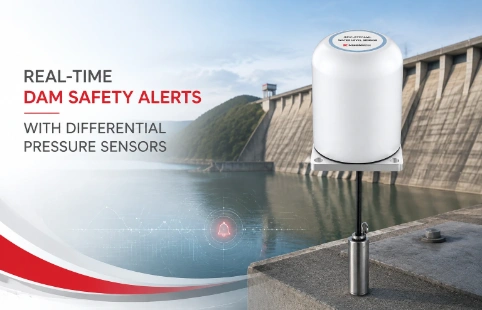
Real-Time Dam Safety Alerts with Differential Pressure Water Level Sensors
Key Takeaways An alert chain needs more than a sensor: define field in...

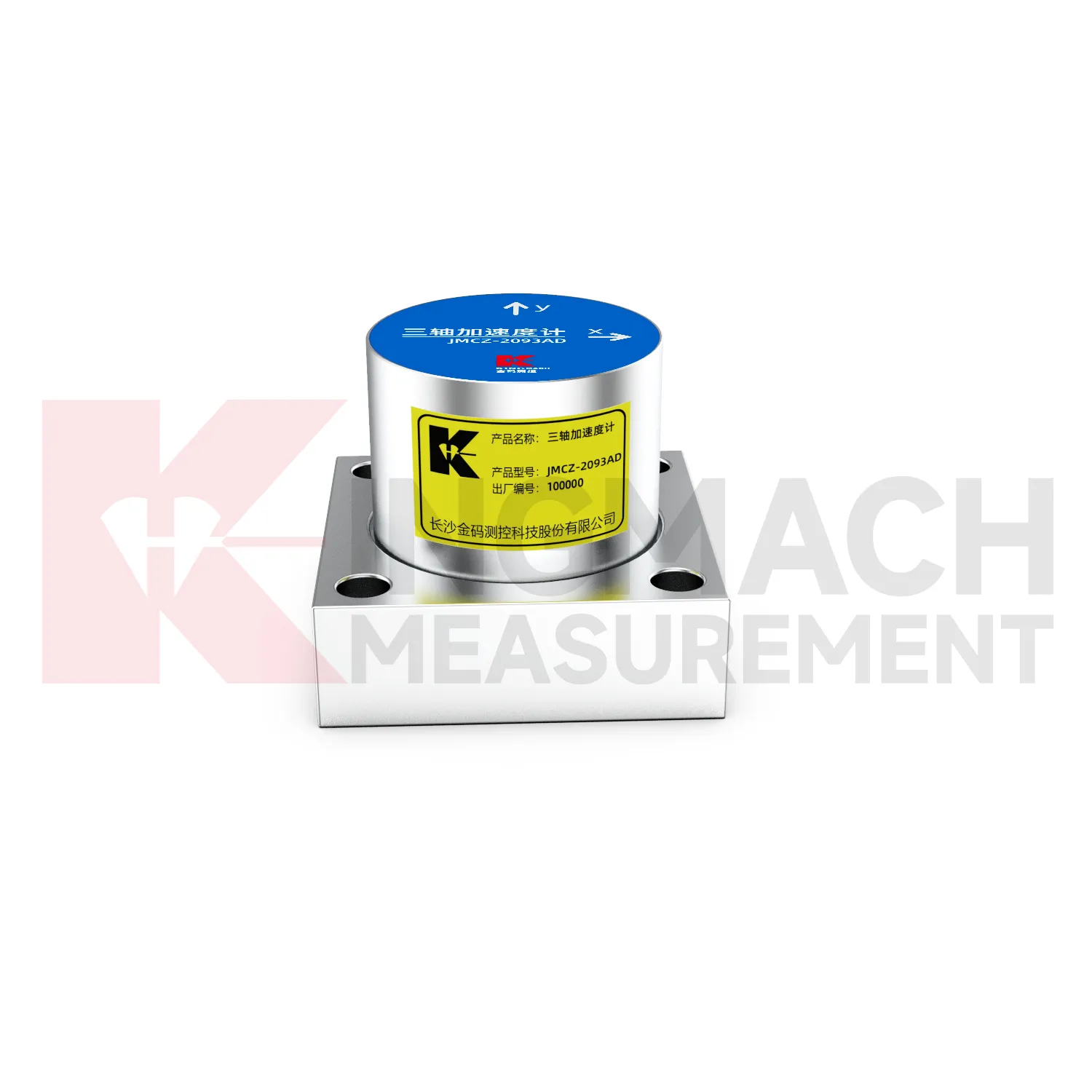
Triaxial Accelerometers: Capture Vibration in Three Axes Simultaneously
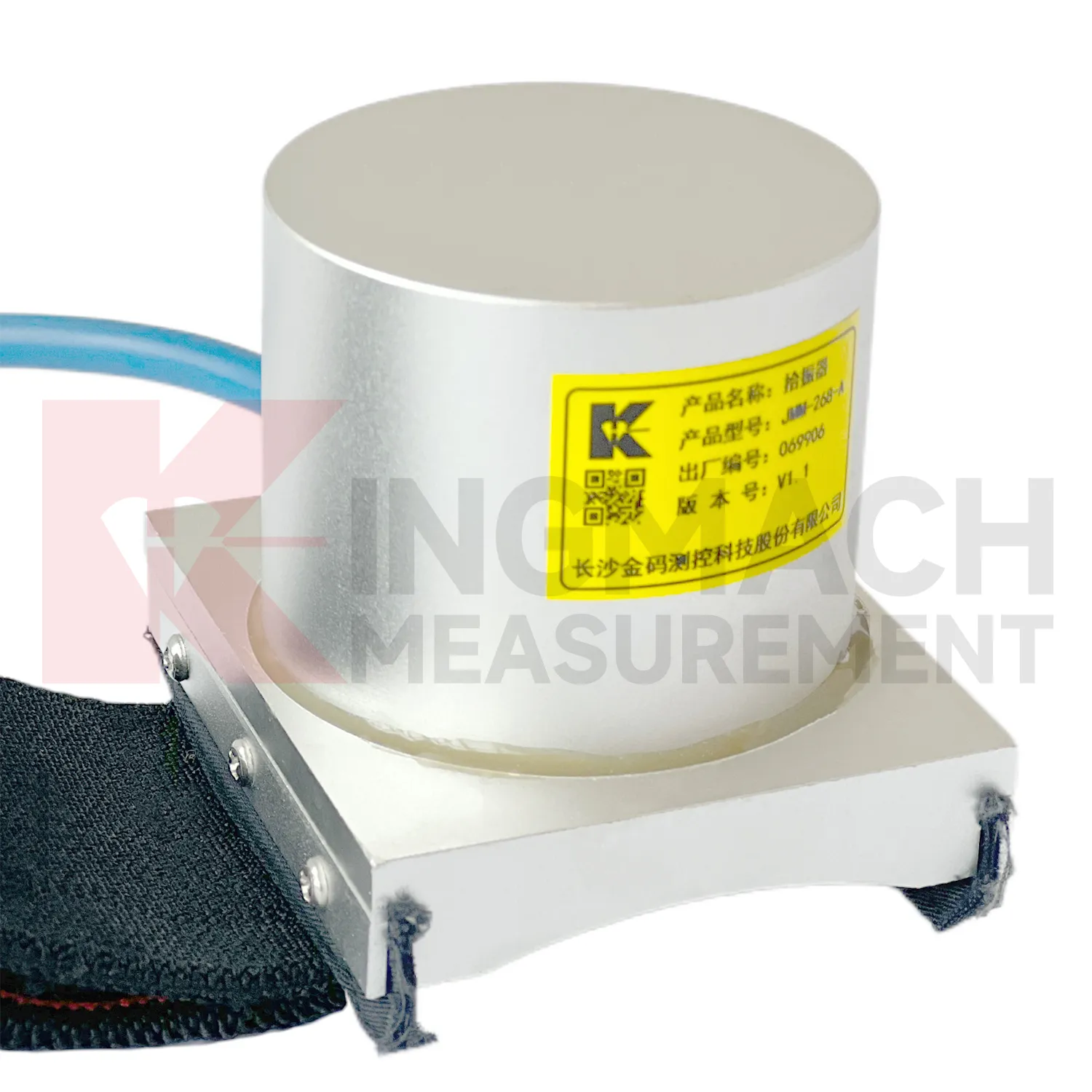
If you’ve ever tried to stitch together single-axis vibration readings and ended up with a puzzle that doesn’t quite fit, you’ll appreciate why triaxial accelerometers have become standard on many monitoring projects. Instead of three separate sensors, one compact unit measures acceleration along X, Y, and Z at the same point—removing alignment guesswork and giving you coherent datasets right from the start. Kingmach, a company that has spent years refining geotechnical instruments, builds these sensors with the kind of practical details that only come from watching them work on real slopes, tunnels, and retaining walls. The result is a tool that doesn’t just fill a spec sheet but actually makes field installation and long-term data interpretation less of a headache.
Technical Detail
A triaxial accelerometer combines three sensing elements in a single housing, each aligned to one orthogonal axis. The immediate advantage is phase-coherent data: vibration modes, transient events, and directional tilts are captured without the time-skew or mounting offsets that can creep in when you use multiple single-axis units. Kingmach’s approach leans heavily on this simplicity. Their designs typically use MEMS or piezo-based elements (depending on the bandwidth and amplitude range a project calls for) and package them in stainless steel or anodized aluminum enclosures that hold up against moisture and temperature swings. What sets the range apart isn’t a single headline specification but the willingness to adapt. Low-noise models for micro-vibration monitoring on heritage structures, high-g variants for pile driving analysis, submersible versions for dam outlets—these aren’t one-off lab curiosities. They’re part of a catalog that grew from listening to what field engineers actually needed. Most units can be ordered with different cable lengths, connector types, or mounting brackets, and the factory calibration covers the full three-channel output with a traceable report. For system integrators, the analog voltage or IEPE outputs play nicely with standard data loggers. For larger networks, a digital serial option reduces cable clutter and makes it easier to place sensors hundreds of meters apart. Kingmach’s support team helps with the tuning—selecting the right frequency range, confirming that the noise floor is low enough for your expected signal, or checking that the sensor’s resonant frequency won’t inject artifacts into your measurements. It’s the kind of dialog that replaces a lot of back-and-forth email with decisions that stick.
News
Key Takeaways An alert chain needs more than a sensor: define field in...
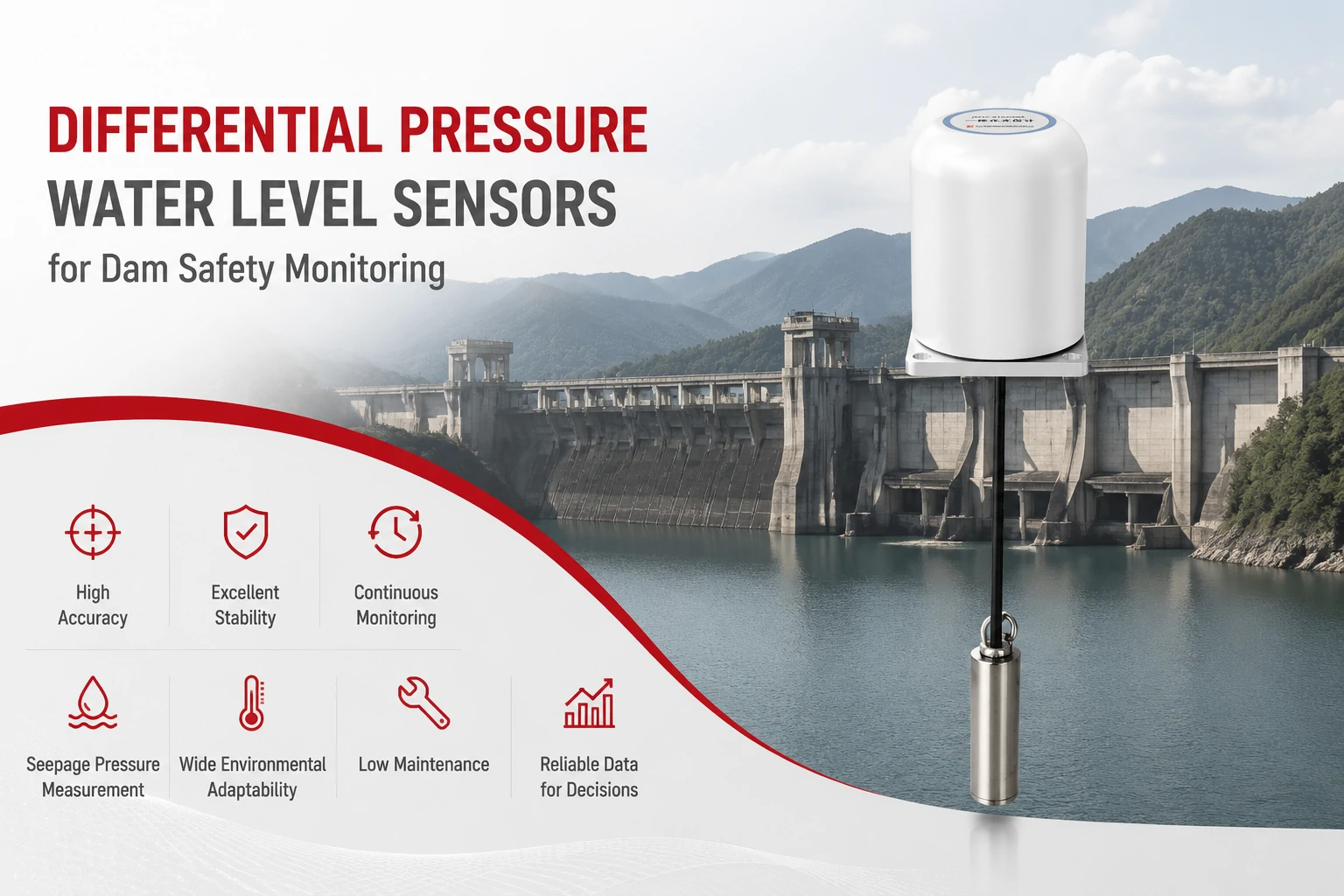
Key Takeaways The strongest fit is usually a confined, submerged, or s...
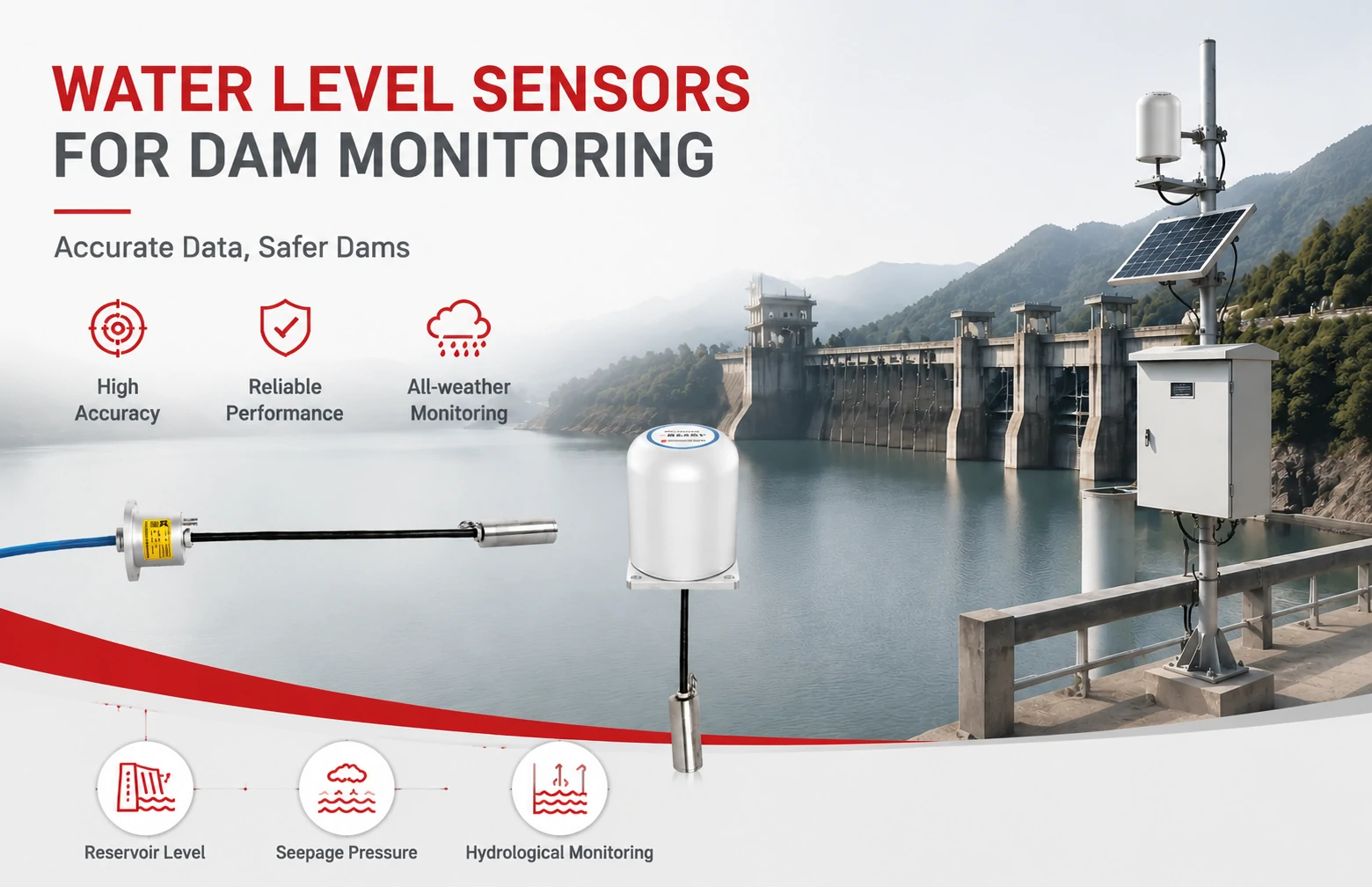
Kingmach Water Level Sensors for Dam Monitoring: A Buyer's Guide to Differential Pre...
Products
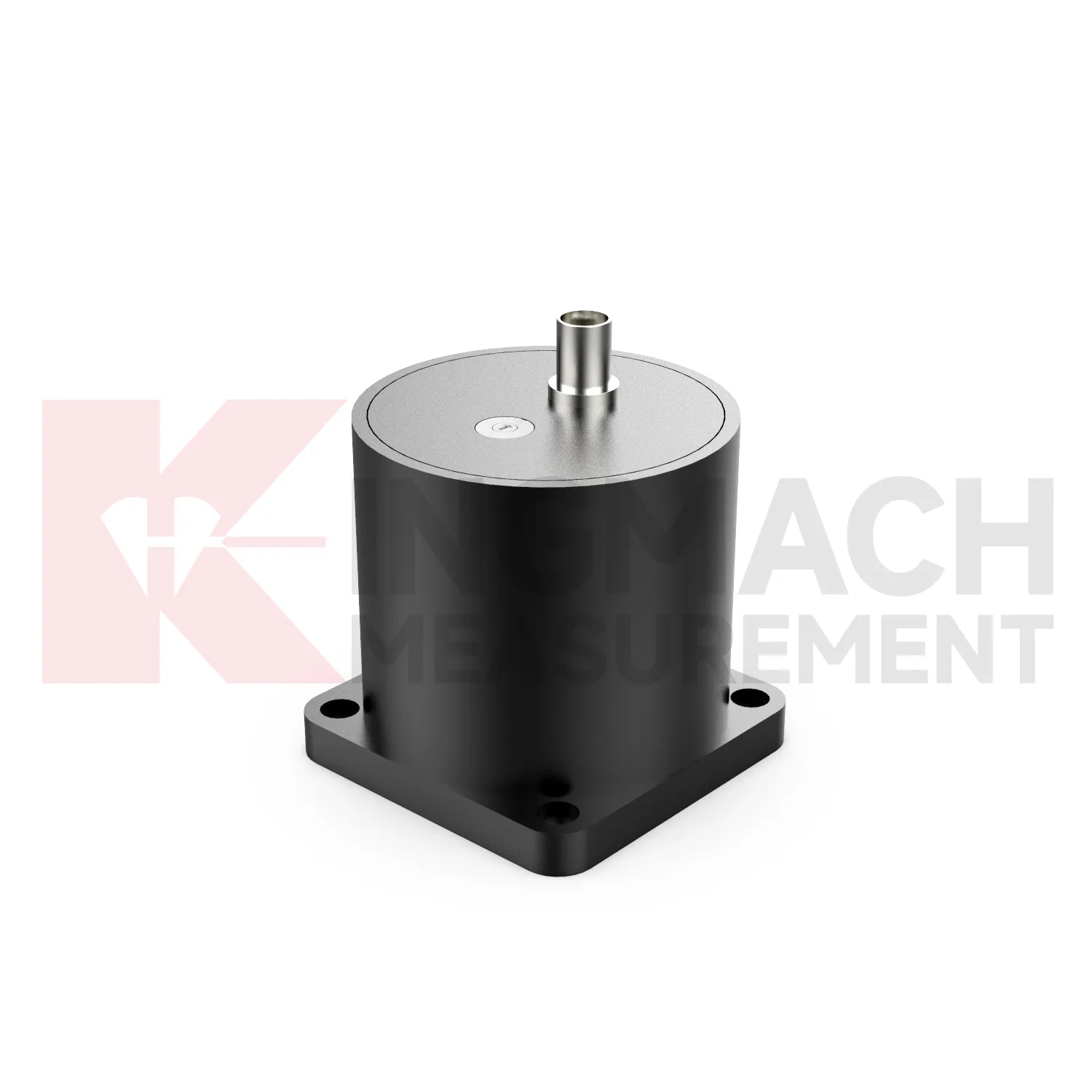
FAQ
The main difference is that a triaxial unit has all three sensing elements mounted at exactly the same physical point. This avoids phase mismatch between channels—a common problem when you try to align three separate sensors. You also save time during installation and reduce cable handling, since one triaxial sensor replaces three single-axis ones plus their mounting hardware.
Most models offer analog voltage or IEPE (Integrated Electronics Piezo-Electric) outputs, which are standard across the industry and work with common data acquisition systems. If a project involves long cable runs or many sensors, a digital output option (such as RS-485) can be specified to avoid signal degradation and simplify wiring.
Yes, the housings are typically made from stainless steel or anodized aluminum and are sealed against moisture and dust. For underwater applications, such as near dam outlets or in boreholes, there are submersible versions. Temperature compensation is built in, and the operating range is wide enough to cover most civil engineering climates. It’s always a good idea to discuss the exact conditions with Kingmach’s engineers so they can confirm the right model and cable material.
It depends on what you’re measuring. For ambient vibration testing on structures like bridges or towers, where the motion might be only a few milli-g, a low-noise model ensures that the sensor’s own noise floor doesn’t bury the signal. For dynamic events like pile driving or blast monitoring, a high-g sensor (often ±50 g or more) avoids clipping the peaks. The Kingmach team can help match the range to your expected vibration levels if you share sample data or site conditions.
Standard options include magnetic bases, threaded studs, and adhesive pads. If the project requires something unusual—a bracket for a curved pipe, a mount that can be leveled on uneven rock—Kingmach can usually design and fabricate a solution. This kind of customization is part of their normal workflow, not a special request that derails the schedule.
Share your product type, target capacity, and application requirements. Our team can review the details and recommend a practical next step.
Related Keywords
If you are interested in our products or want to become our partner.
Please leave your contact information, our team will contact you as soon as possible.
Mail: [email protected]
Contact Us: +8613808434127
Address: No. 188 Tongzipo West Rd, Changsha, Hunan, China