
 EN
EN
 ar
ar bg
bg hr
hr cs
cs da
da nl
nl fi
fi fr
fr de
de el
el hi
hi it
it ko
ko no
no pl
pl pt
pt ro
ro ru
ru es
es sv
sv tl
tl iw
iw id
id lv
lv lt
lt sr
sr sk
sk sl
sl uk
uk vi
vi et
et hu
hu th
th tr
tr fa
fa ms
ms hy
hy ka
ka ur
ur bn
bn mn
mn ta
ta kk
kk uz
uz ku
ku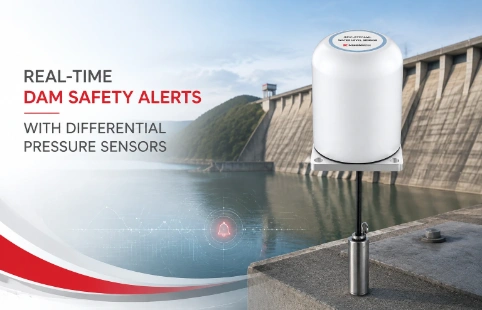
Real-Time Dam Safety Alerts with Differential Pressure Water Level Sensors
Key Takeaways An alert chain needs more than a sensor: define field in...

Triaxial Load Cell Solutions from Kingmach
Triaxial load cells aren’t a one-size-fits-all tool. The setup matters—whether you’re measuring stress in a tunnel lining or monitoring foundation settlement, the way you capture forces along three axes can change the picture significantly. Kingmach has been building these sensors for geotechnical and structural applications long enough to know that the real value lies in how well the load cell integrates into your specific measurement chain. We focus on making instruments that deliver consistent data without adding complexity to your installation.
Technical Detail
Kingmach triaxial load cells come in configurations that make sense for field work and lab tests alike. The sensing elements are bonded to a central column, with separate bridges for each axis, which helps keep crosstalk low. Typical options include ranges from a few kN to several hundred kN, with outputs you can read directly on most data loggers. We pay attention to the small things: the cable exit, the mounting surfaces, and the way the housing is sealed against moisture ingress. Custom versions can adapt the dimensions or add integrated amplifiers if your setup demands it.
News
Key Takeaways An alert chain needs more than a sensor: define field in...
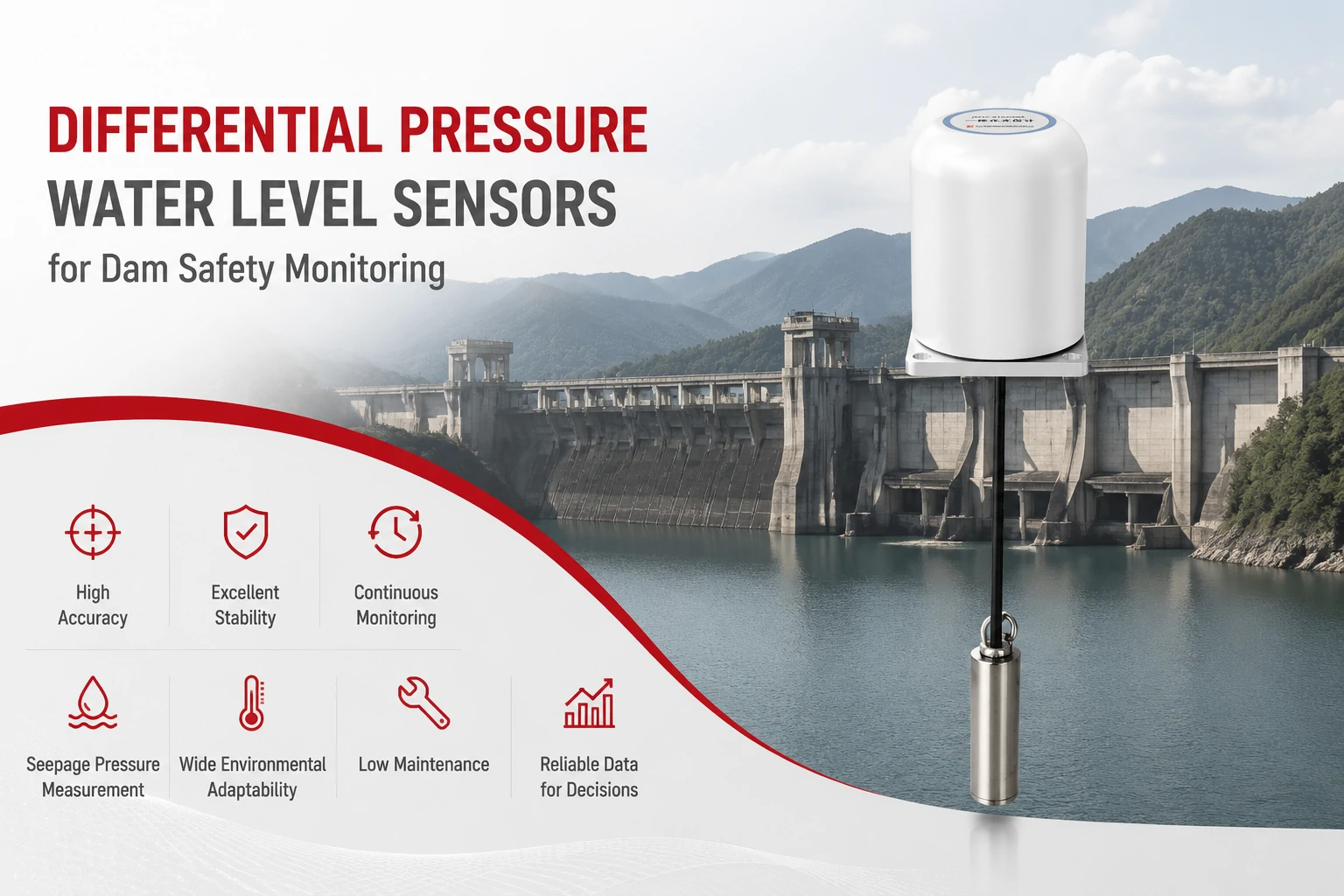
Key Takeaways The strongest fit is usually a confined, submerged, or s...
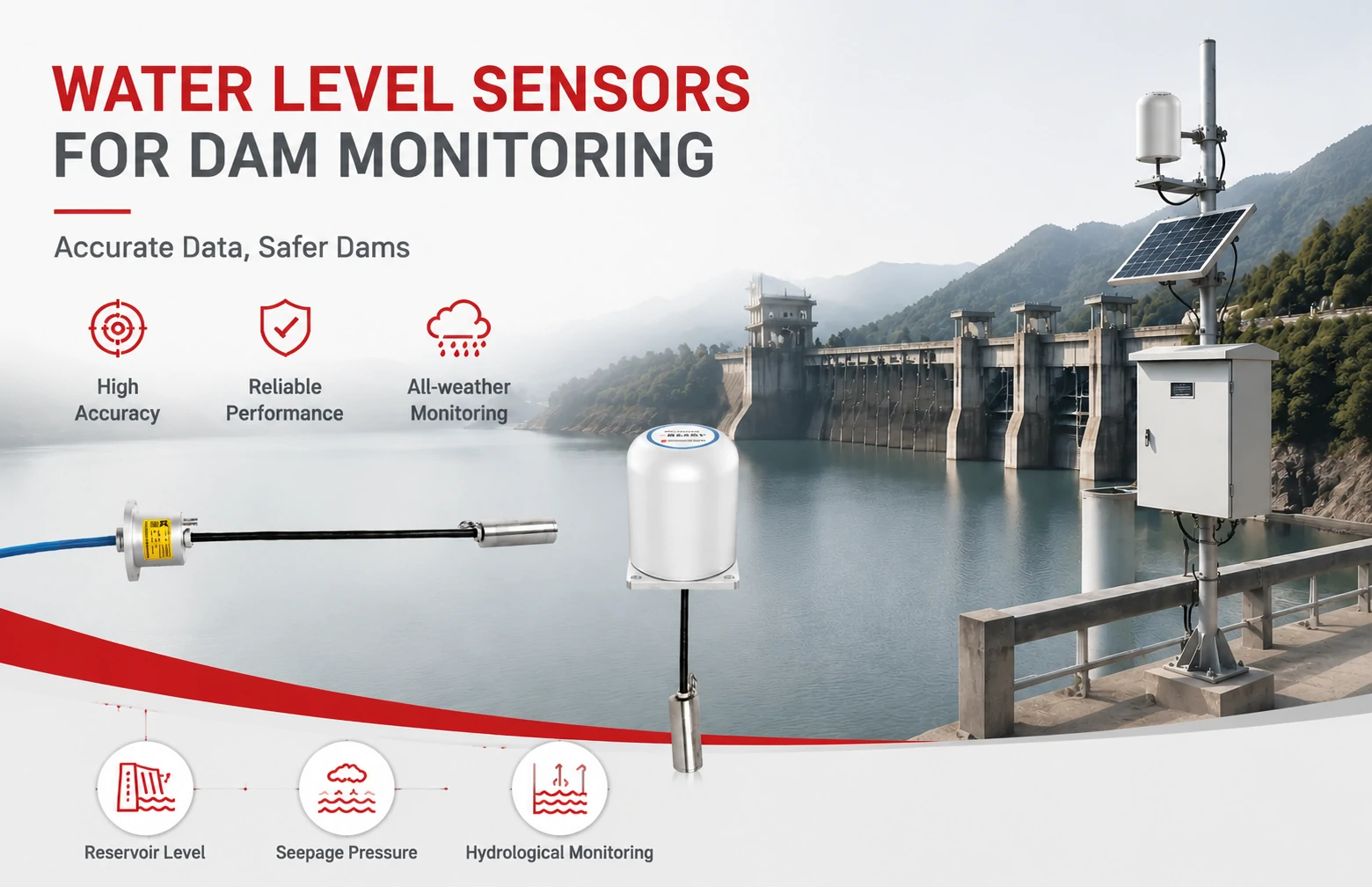
Kingmach Water Level Sensors for Dam Monitoring: A Buyer's Guide to Differential Pre...
Products
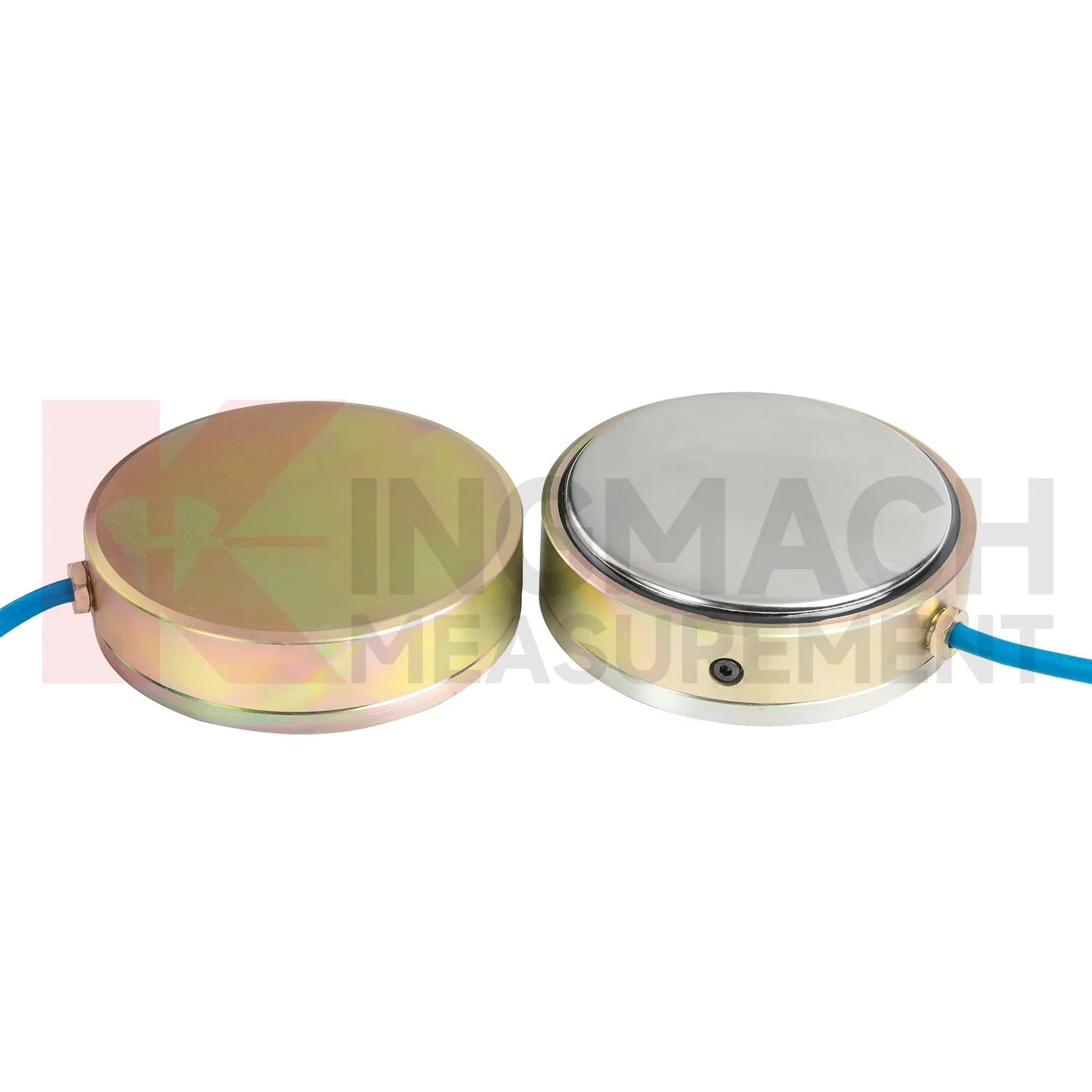
Large Earth Pressure Cell ( VW & Smart Type) JMZX-51XXAT/ ATM
View Details
Smart Formwork Axial Force Meter(VW)JMZX-39XXHAT
View DetailsEarth Pressure Cell ( VW & Smart Type) JMZX-50XXAT/ ATM
View DetailsFAQ
Crosstalk is minimized through careful gauge placement and mechanical isolation. During calibration, we verify that each axis reads cleanly. If your application needs exceptionally low interference, we can adjust the bridge configuration.
Yes, they can be built with stainless steel housings and sealed cable entries, often rated to IP67. We recommend specifying the installation conditions so we can provide the right sealing.
A flat, rigid base and load cap are critical. We machine the contact surfaces to tight tolerances, and we can supply matching mounting plates if needed.
Calibration intervals depend on usage, but we suggest an annual check. We offer recalibration services and can work with your schedule.
We can integrate TEDS into many models, and digital outputs like USB or RS-485 are possible with external modules. Talk to us about your data system.
Share your product type, target capacity, and application requirements. Our team can review the details and recommend a practical next step.
If you are interested in our products or want to become our partner.
Please leave your contact information, our team will contact you as soon as possible.
Mail: [email protected]
Contact Us: +8613808434127
Address: No. 188 Tongzipo West Rd, Changsha, Hunan, China