
 EN
EN
 ar
ar bg
bg hr
hr cs
cs da
da nl
nl fi
fi fr
fr de
de el
el hi
hi it
it ko
ko no
no pl
pl pt
pt ro
ro ru
ru es
es sv
sv tl
tl iw
iw id
id lv
lv lt
lt sr
sr sk
sk sl
sl uk
uk vi
vi et
et hu
hu th
th tr
tr fa
fa ms
ms hy
hy ka
ka ur
ur bn
bn mn
mn ta
ta kk
kk uz
uz ku
ku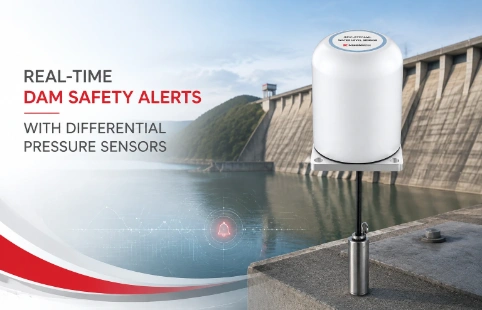
Real-Time Dam Safety Alerts with Differential Pressure Water Level Sensors
Key Takeaways An alert chain needs more than a sensor: define field in...

Data Acquisition Modules That Handle Field Sensor Noise
Field measurements tend to get messy. Sensors pick up noise from power lines, temperature swings, and long cable runs. Most data acquisition modules look clean in the lab but start losing accuracy once you put them next to a dewatering pump. Kingmach builds these modules specifically for geotechnical monitoring jobs—where the signal conditioning actually matters. We make sure your vibrating wire piezometer or strain gauge readings stay usable even when site conditions aren't ideal. The input channels accept common sensor types without extra signal conditioners, which cuts down on wiring and troubleshooting time during installation.
Technical Detail
The modules use 24-bit delta-sigma ADCs that help suppress 50/60 Hz power line interference—a common headache in dam and tunnel monitoring. Each channel has programmable gain amplification so you can run low-output strain gauges next to higher-voltage displacement sensors on the same hardware. Input ranges cover ±20 mV to ±10 V, which means you're not stuck swapping interface boards when the project changes. Compatibility comes first in the field. These modules talk directly to vibrating wire, resistive strain gauge, 4-20 mA, and potentiometer-type instruments. The excitation supply is software-switchable between 2.5 V, 5 V, and 12 V with short-circuit protection—handy when cables get pinched in boreholes. If you're using thermistors or RTDs for temperature compensation, the modules handle that internally; no need for extra wiring or a separate logger. Kingmach modules connect over RS-485 (Modbus RTU protocol) and can chain up to 32 units on a single twisted pair. For long-distance sites, an optional SDI-12 interface board swaps in without changing the housing. We've run these over 1.2 km of buried cable with a terminating resistor and saw data packets stay clean. The housing is anodized aluminum rated for 95% non-condensing humidity—common in underground vaults. Data streams can be pulled into third-party SCADA or cloud platforms. If your field techs use manual readouts, the same modules run with our portable Android app via Bluetooth gateway. Tech support can send you register maps and Modbus sample code rather than making you reverse-engineer a closed system.
News
Key Takeaways An alert chain needs more than a sensor: define field in...
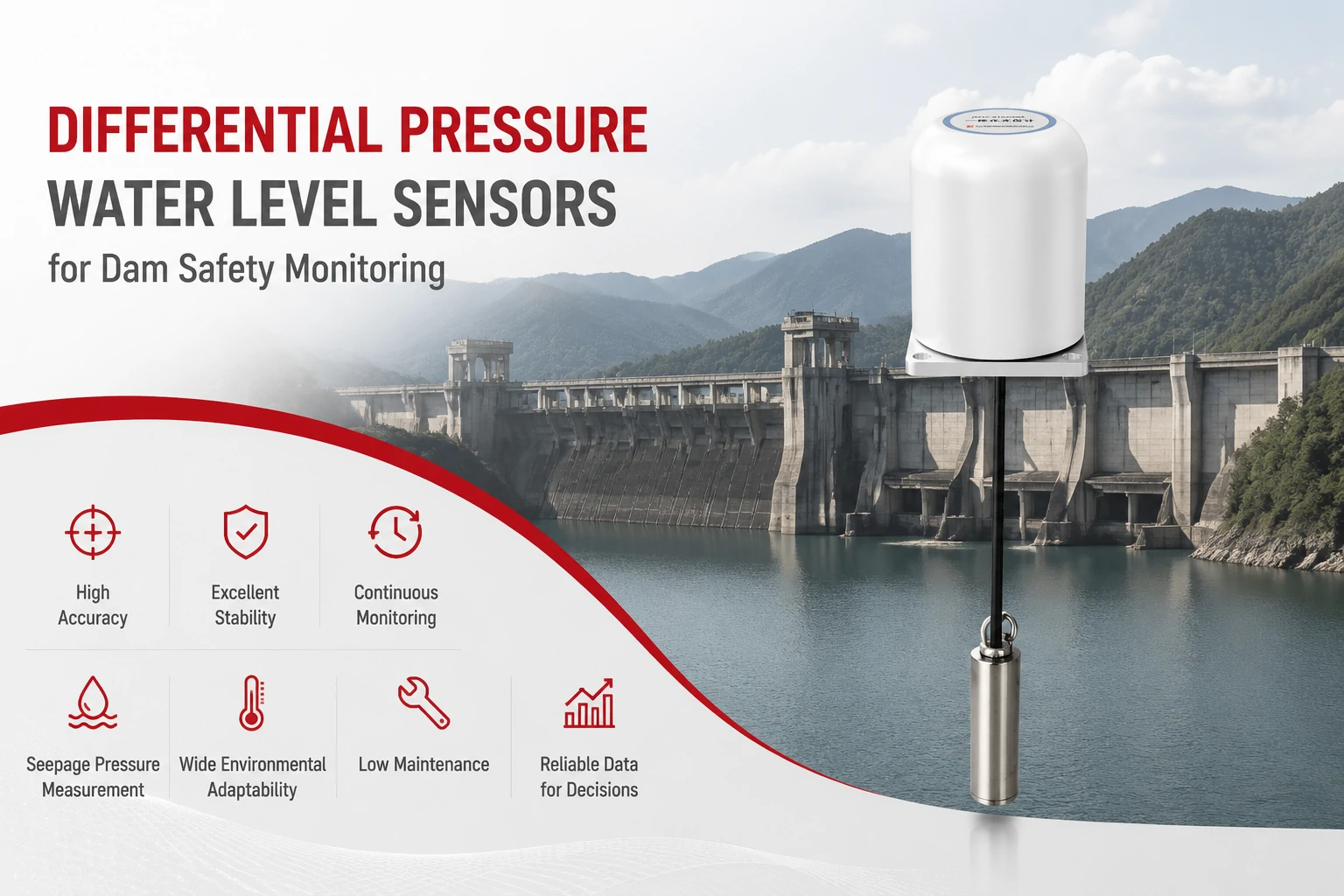
Key Takeaways The strongest fit is usually a confined, submerged, or s...
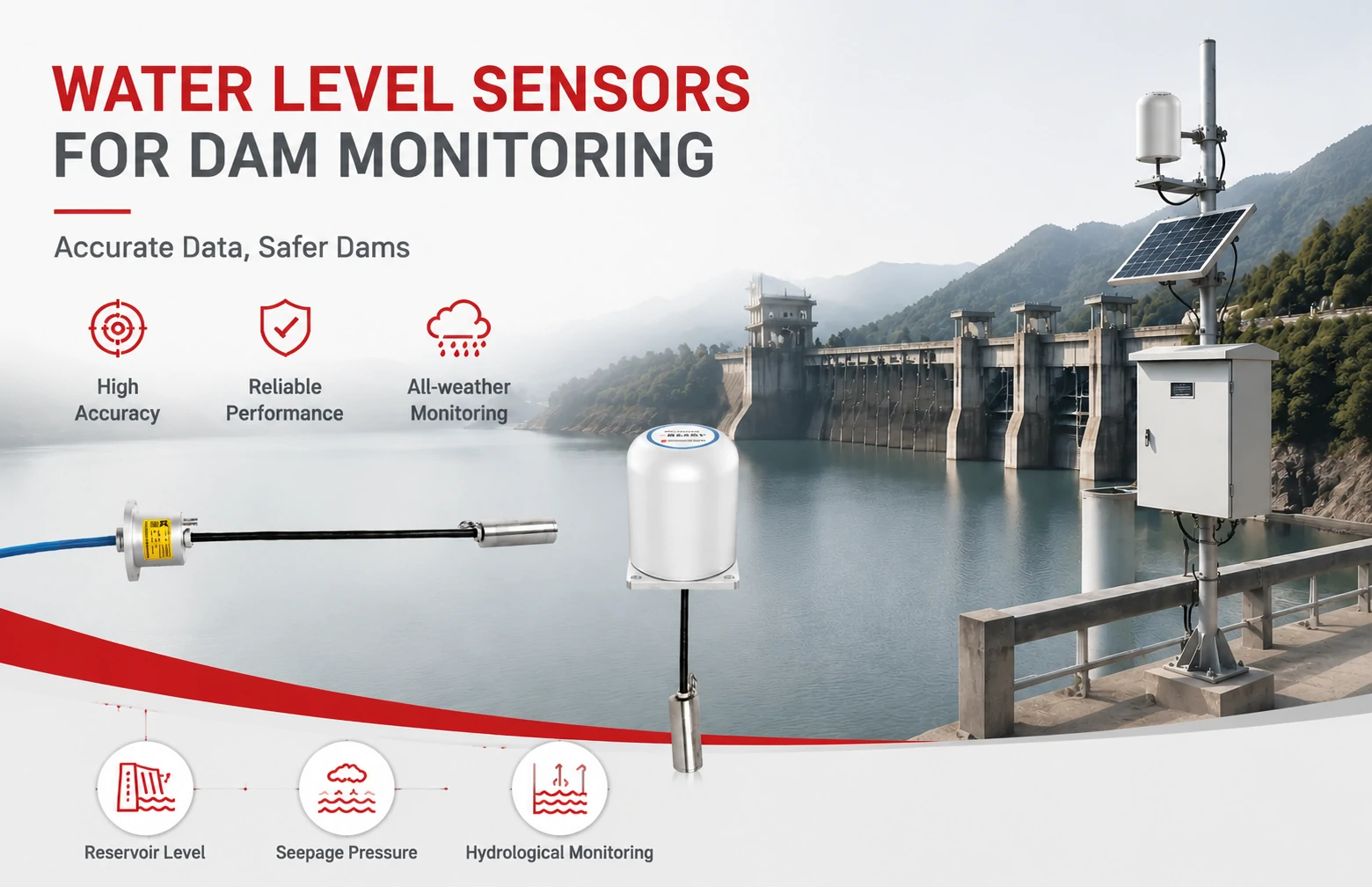
Kingmach Water Level Sensors for Dam Monitoring: A Buyer's Guide to Differential Pre...
Products
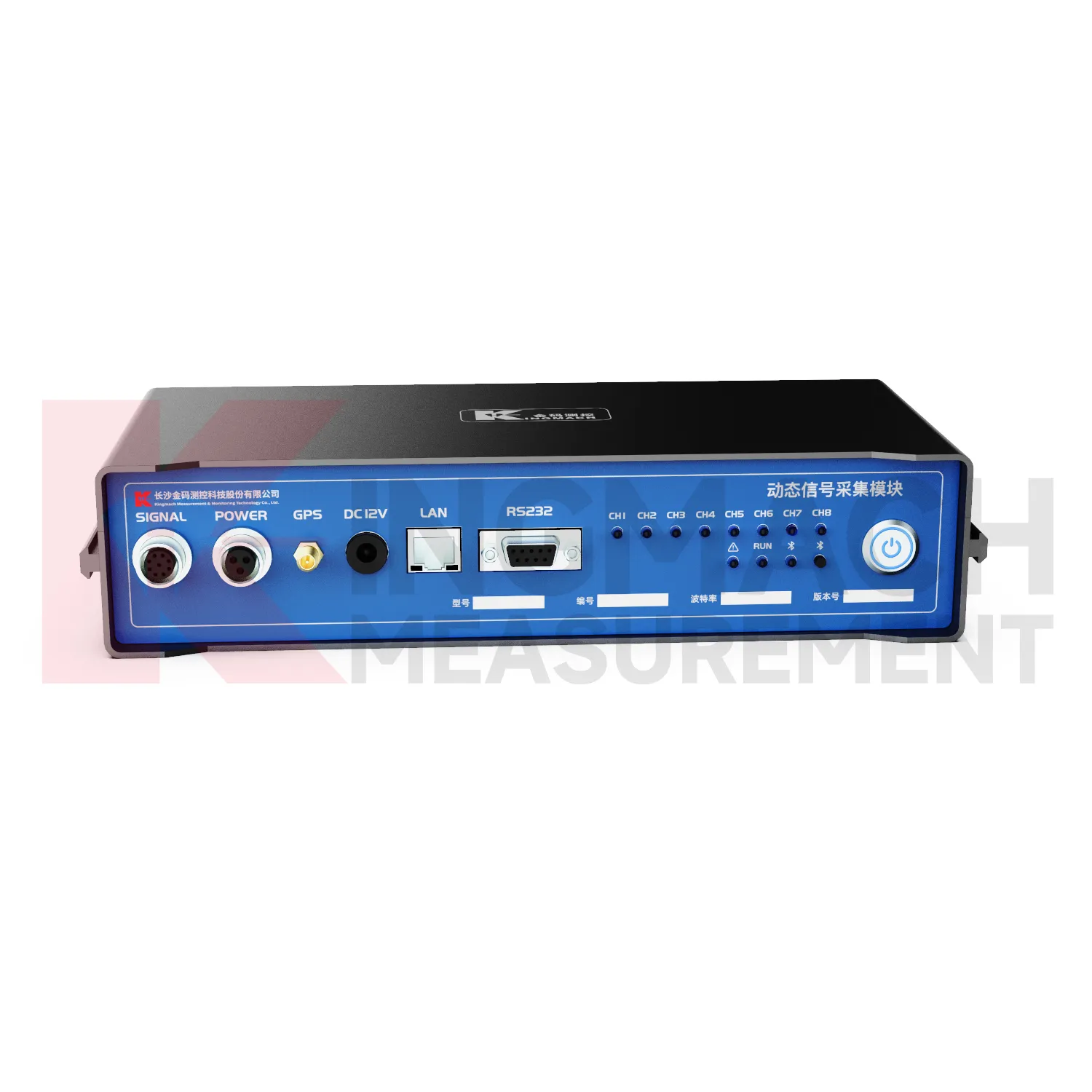
Dynamic signal acquisition module JMYD-1008XC
View Details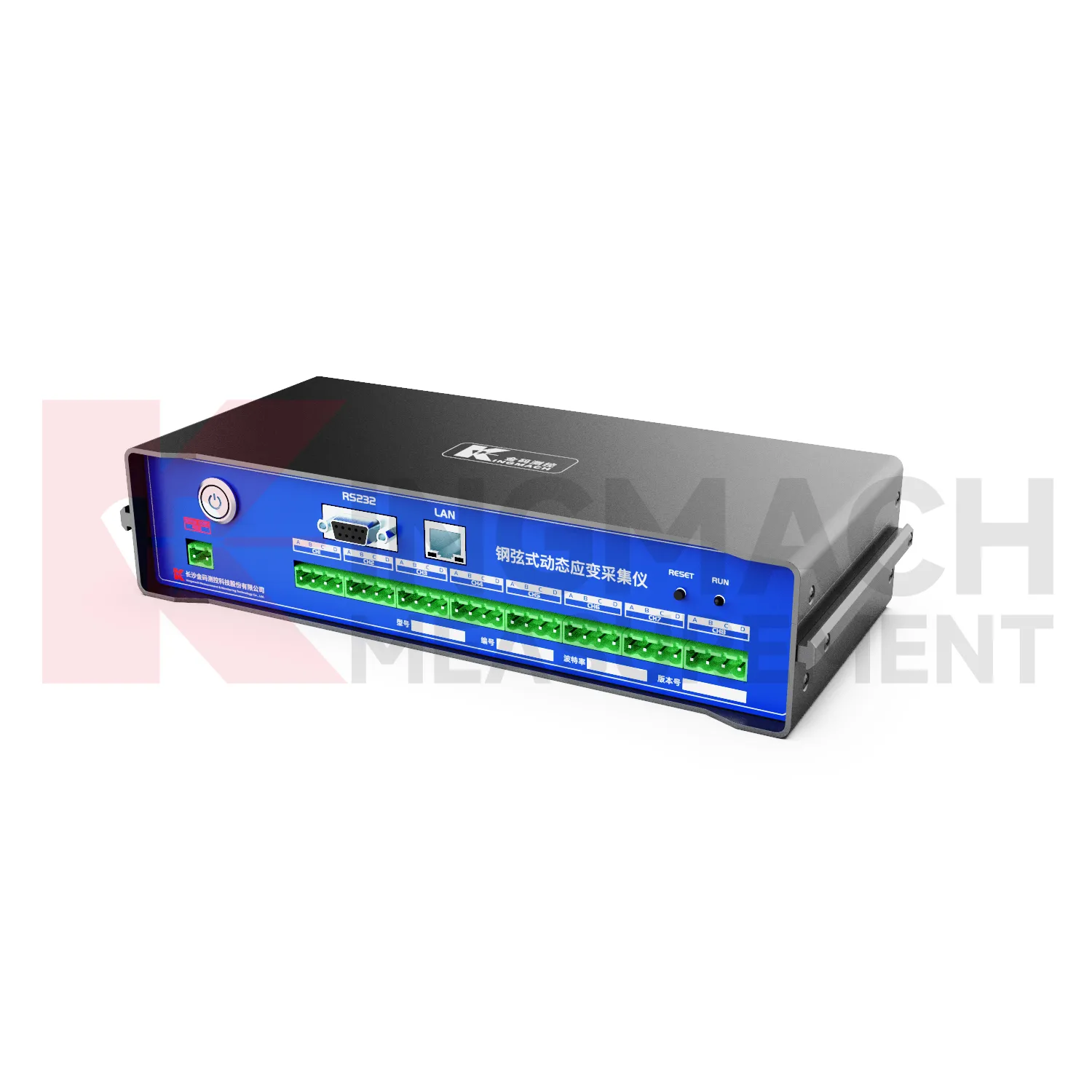
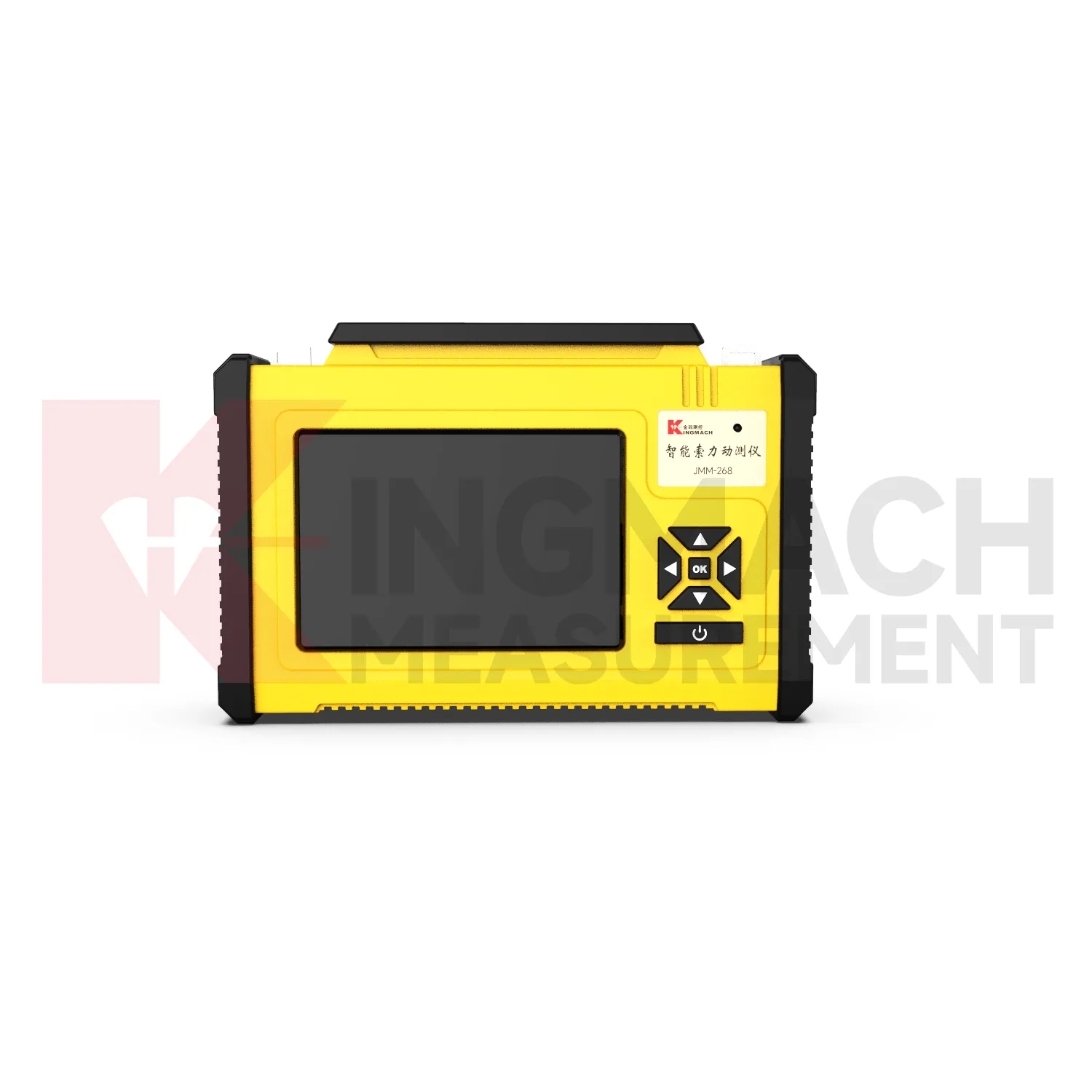
Cable force measuring instrument JMM-268L-1、2
View DetailsFAQ
They work directly with vibrating wire, resistive strain gauges, 4-20 mA transmitters, potentiometers, and common temperature sensors (thermistors, RTDs). The excitation voltage is selectable per channel, so mixed sensor setups are straightforward.
Yes. The standard output is RS-485 with Modbus RTU. You'll get a register map during commissioning, so integration with PLCs, RTUs, or SCADA systems doesn't need proprietary drivers.
On-board RS-485 typically handles 1.2 km with a 120Ω terminating resistor. For longer stretches, we can swap in an SDI-12 interface. Both options use the same physical enclosure and field wiring.
Yes. When you set up a strain gauge channel with an external thermistor or RTD, the module applies the compensation algorithm onboard. You'll read out temperature-corrected engineering units directly, which eliminates post-processing steps.
Share your product type, target capacity, and application requirements. Our team can review the details and recommend a practical next step.
Related Keywords
If you are interested in our products or want to become our partner.
Please leave your contact information, our team will contact you as soon as possible.
Mail: [email protected]
Contact Us: +8613808434127
Address: No. 188 Tongzipo West Rd, Changsha, Hunan, China